Latest Developments in Three-in-One Filling Machinery<p>In recent years, the fie
-
category
-
model number
-
specs
instructions
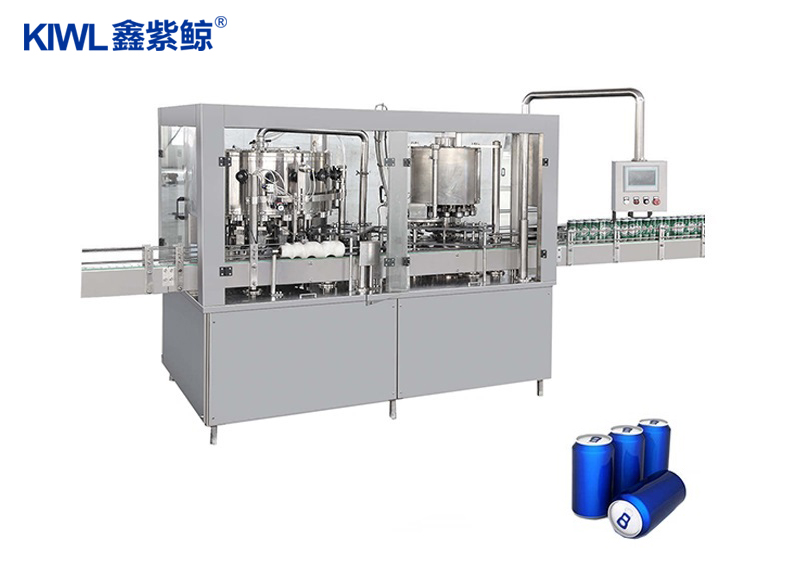
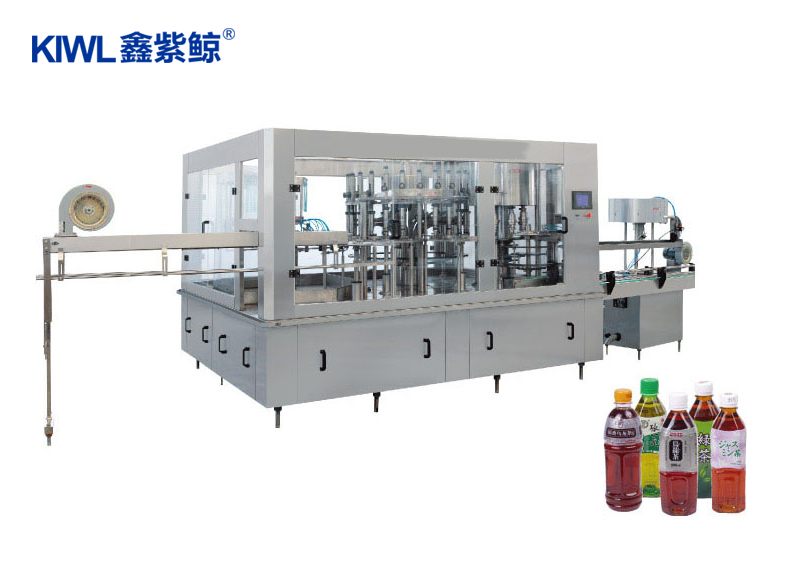
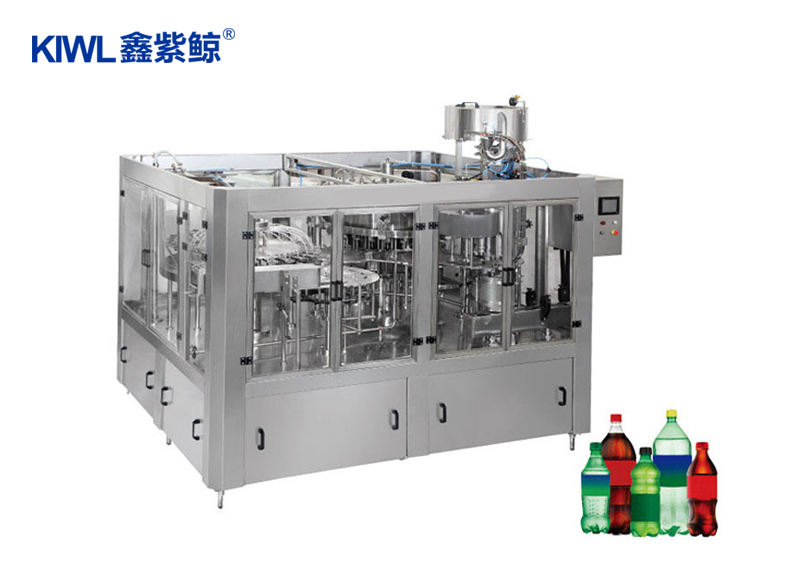
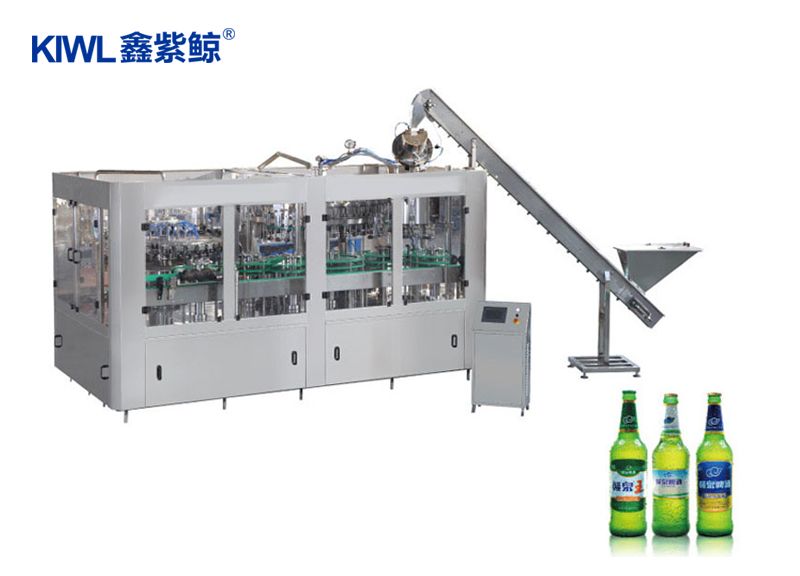
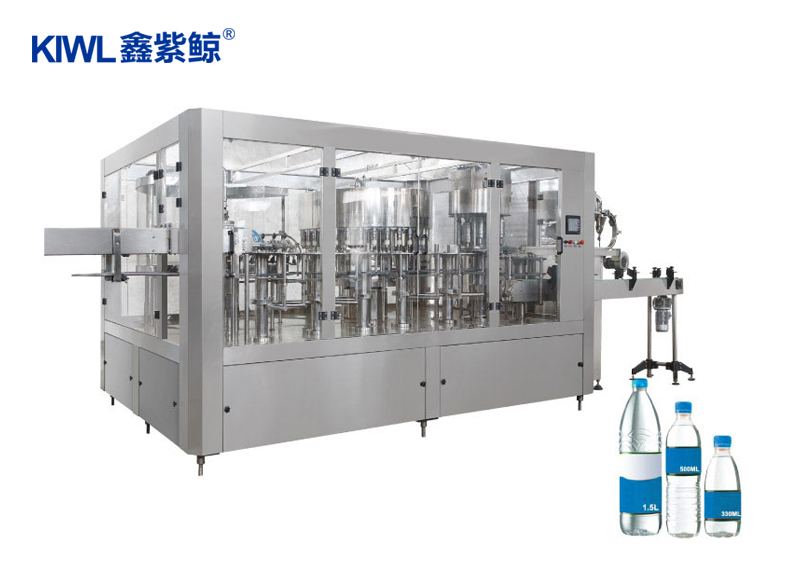
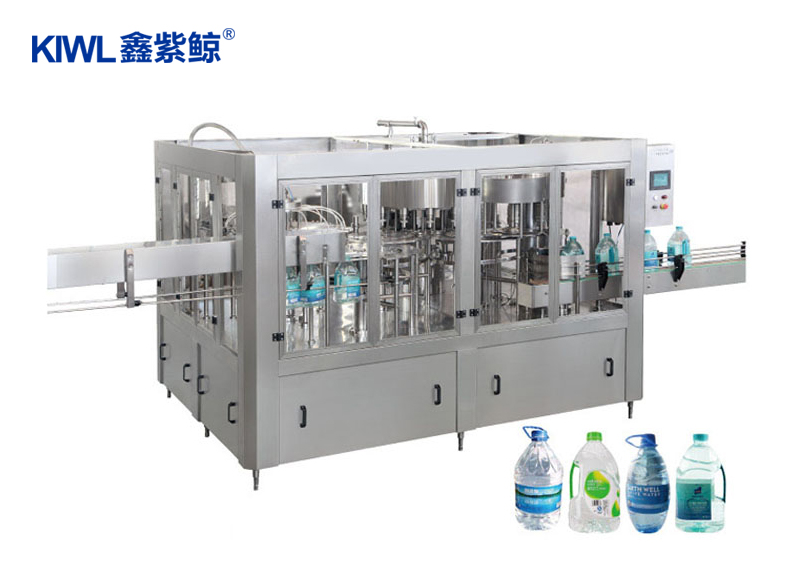
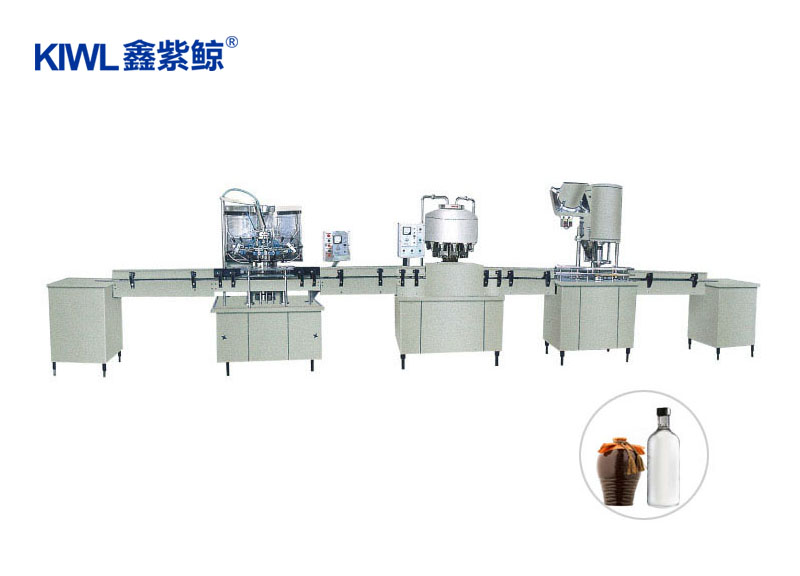
In recent years, the field of three-in-one filling machinery has witnessed significant advancements, driven by technological innovations and increasing demands for efficiency and reliability in the manufacturing sector. These machines, integrating functions of bottle rinsing, filling, and capping into a single unit, have become pivotal in various industries such as beverages, pharmaceuticals, and cosmetics.
The latest developments in three-in-one filling machinery emphasize several key trends. Firstly, there is a notable shift towards enhanced automation and integration of smart technologies. Modern machines are equipped with advanced sensors and control systems that optimize the entire filling process, ensuring precise volume control and minimizing product wastage.

Secondly, manufacturers are focusing on versatility and adaptability. Newer models are designed to handle a wide range of bottle sizes, shapes, and types of liquids, from carbonated beverages to viscous pharmaceuticals. This flexibility not only improves operational efficiency but also reduces the need for multiple machines, thereby saving space and costs for production facilities.
Sustainability and Environmental Impact
Another significant trend in the evolution of three-in-one filling machinery is the emphasis on sustainability. Manufacturers are increasingly integrating eco-friendly materials and energy-efficient components into their designs. This approach not only aligns with global environmental regulations but also addresses the growing consumer preference for sustainable practices in manufacturing.
Enhanced User Interface and Maintenance
The third notable development lies in the improvement of user interfaces and maintenance features. Modern machines are designed with user-friendly interfaces that simplify operation and troubleshooting. Additionally, proactive maintenance systems are incorporated, leveraging predictive analytics to anticipate and prevent potential downtime, thereby maximizing uptime and productivity.
In conclusion, the latest developments in three-in-one filling machinery underscore a transformative phase in industrial automation. With advancements in automation, versatility, sustainability, and user interface design, these machines are poised to redefine efficiency standards across various manufacturing sectors. As technology continues to evolve, the future promises even more sophisticated solutions that will further streamline production processes and enhance overall operational performance.