Three-in-One Filling Machinery Market Outlook Analysis
-
category
-
model number
-
specs
instructions
In recent years, the market for three-in-one filling machinery has experienced significant growth, driven by technological advancements and increasing demand across various industries. This article provides a comprehensive analysis of the current market trends, challenges, and future prospects for three-in-one filling machinery.
Technological Advancements Driving Growth
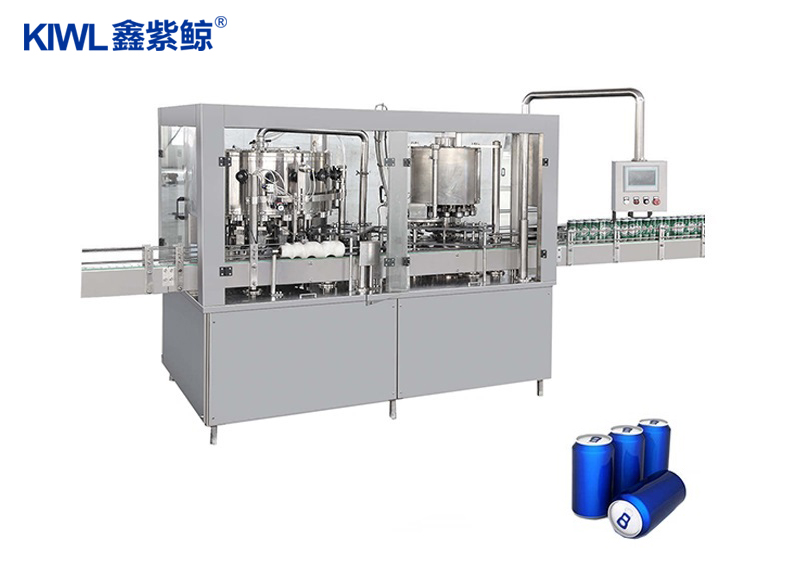
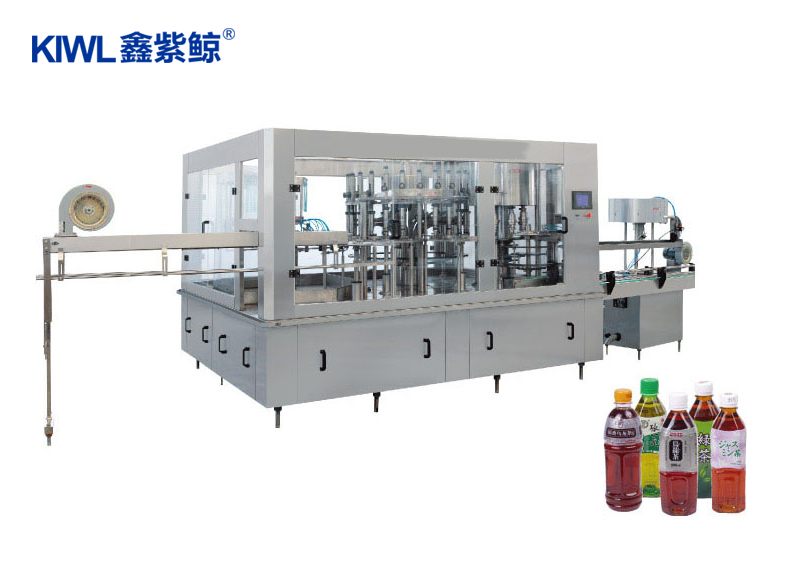
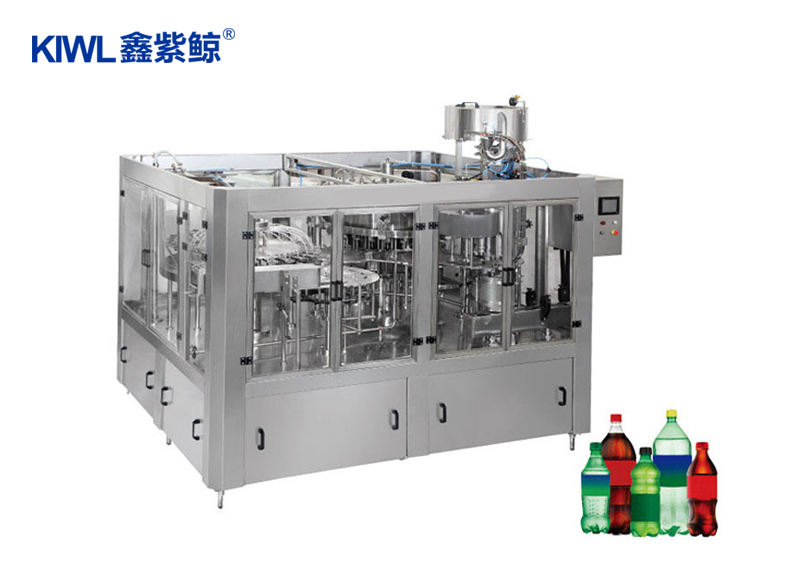
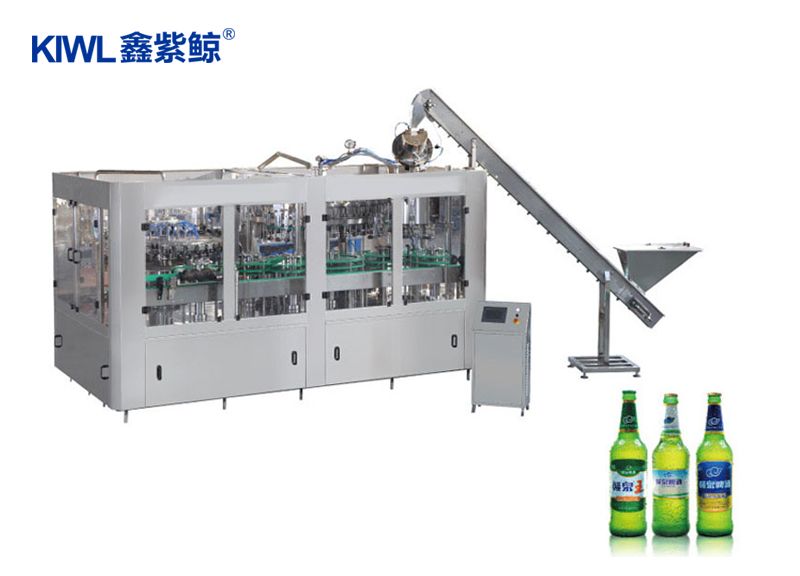
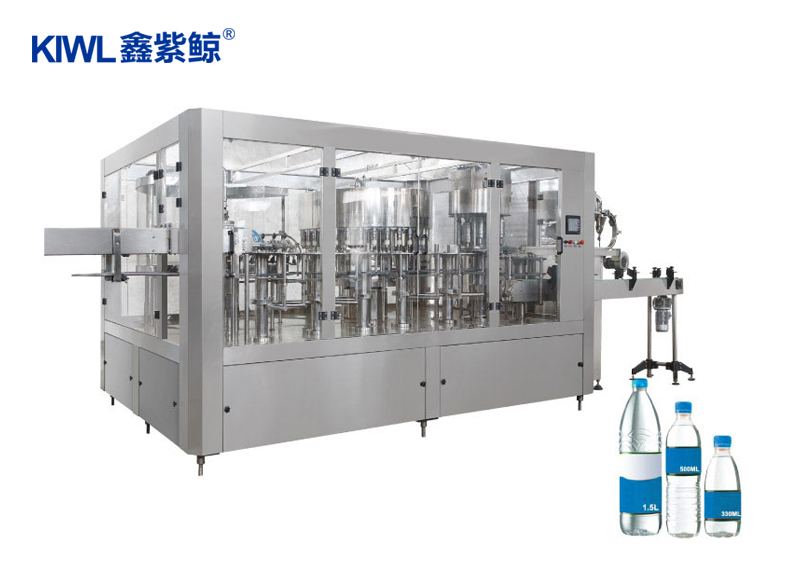
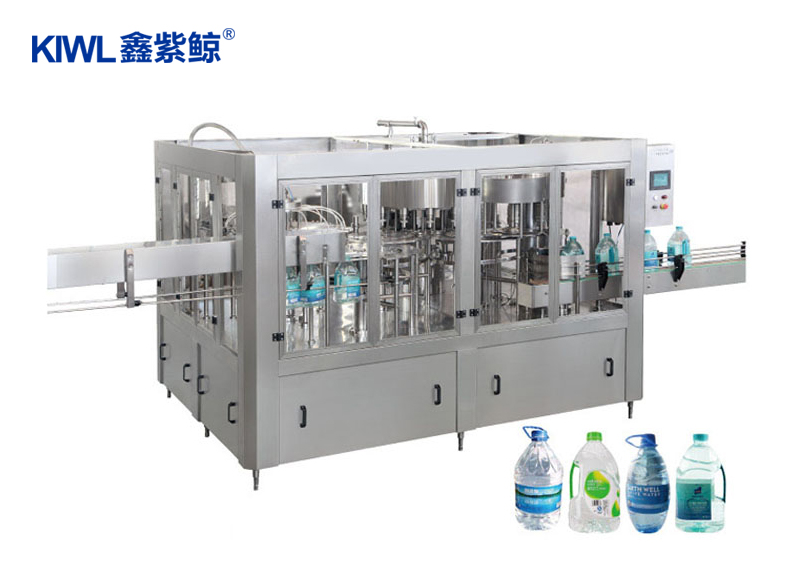
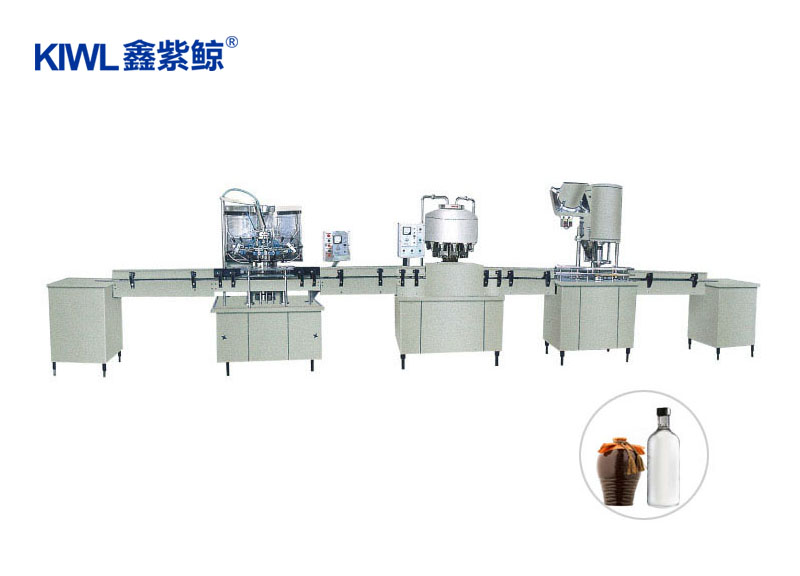
Technological innovations have been pivotal in shaping the landscape of three-in-one filling machinery. These machines, which integrate washing, filling, and capping processes into a single unit, have become increasingly sophisticated. Manufacturers are focusing on enhancing automation, precision, and efficiency, thereby catering to the evolving needs of production facilities. This trend is particularly evident in sectors such as beverages, pharmaceuticals, and cosmetics, where stringent quality standards and high production volumes necessitate reliable and high-performance equipment.

Market Demand and Industry Applications
The demand for three-in-one filling machinery is fueled by diverse industry applications. In the beverage sector, for instance, these machines are crucial for bottling water, carbonated drinks, juices, and alcoholic beverages efficiently. Similarly, in pharmaceutical manufacturing, precise filling and capping processes are essential to maintain product integrity and comply with regulatory standards. Moreover, the cosmetics industry relies on these machines to fill and seal various beauty and personal care products, ensuring consistency and hygiene.
Challenges and Opportunities
Despite the promising growth prospects, the three-in-one filling machinery market faces several challenges. Cost remains a significant barrier for small and medium-sized enterprises (SMEs) looking to adopt advanced filling technologies. Moreover, the complexity of integrating different functionalities into a single machine requires continuous innovation and skilled technical support. However, these challenges present opportunities for manufacturers to develop cost-effective solutions and expand their market presence through strategic partnerships and distribution networks.
Conclusion
In conclusion, the future outlook for the three-in-one filling machinery market is optimistic yet challenging. Technological advancements will continue to drive innovation and efficiency improvements, meeting the diverse needs of industries worldwide. As demand grows across beverages, pharmaceuticals, and cosmetics, manufacturers must navigate cost constraints and technical complexities to capitalize on emerging opportunities. By staying abreast of market trends and leveraging advancements in automation and precision engineering, stakeholders can position themselves for sustained growth in this dynamic sector.
This article highlights the transformative impact of three-in-one filling machinery and underscores its pivotal role in modern manufacturing processes. As industries evolve and consumer preferences shift, the adoption of advanced filling technologies will undoubtedly shape the competitive landscape, driving efficiency, quality, and innovation across global markets.