Three-in-One Filling Equipment Operation Guide
-
category
-
model number
-
specs
instructions
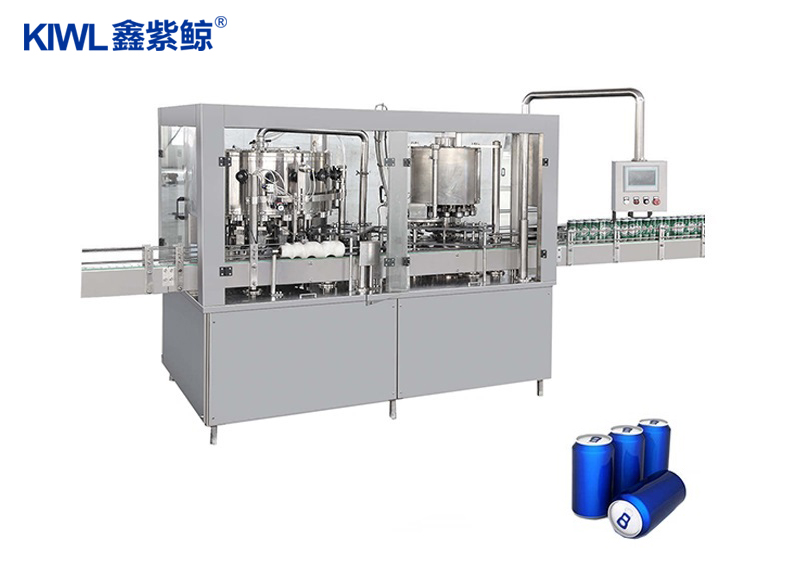
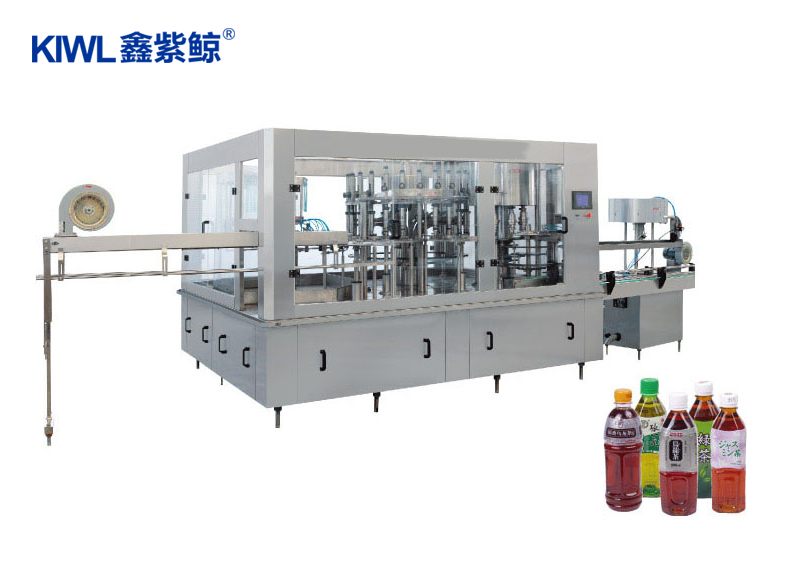
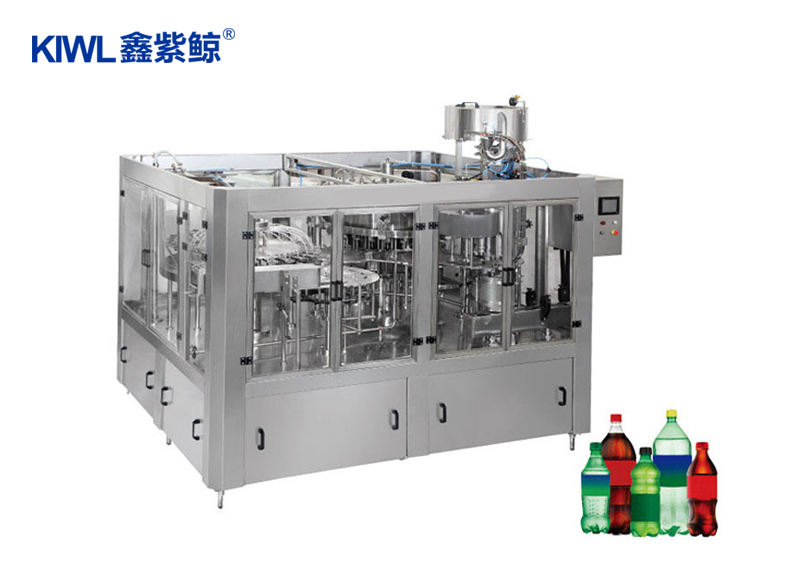
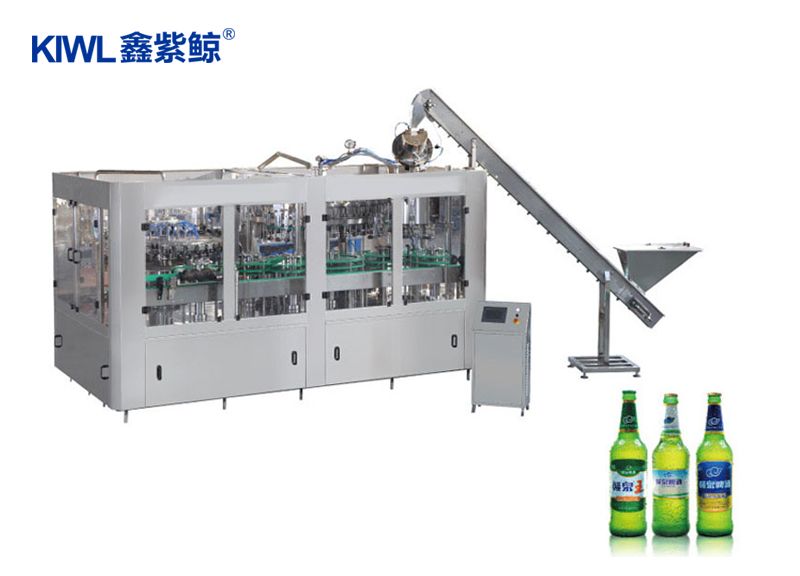
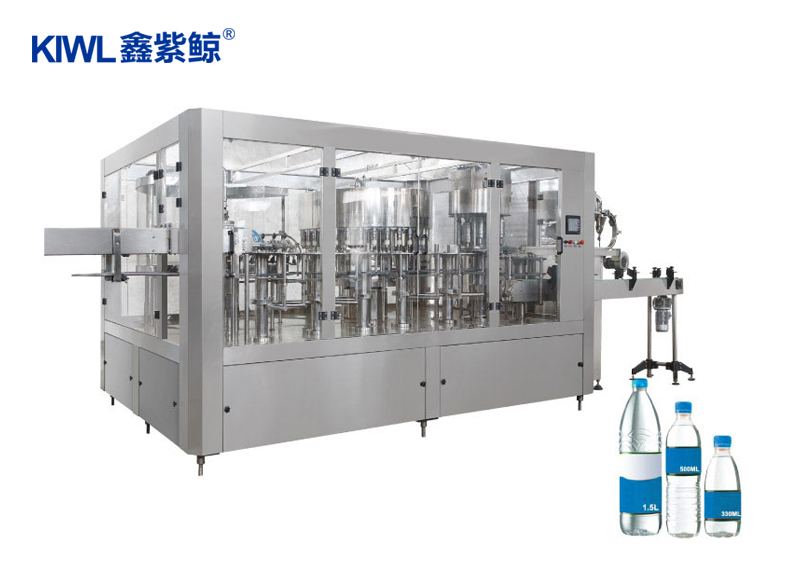
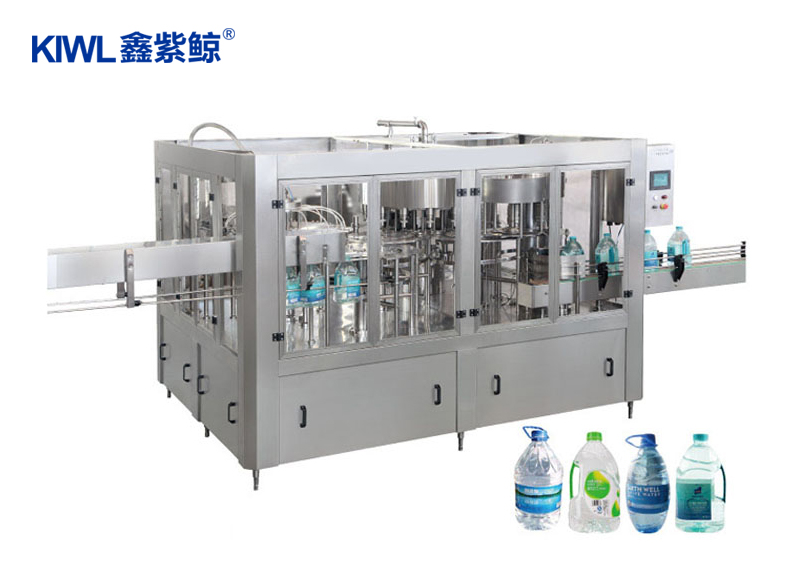
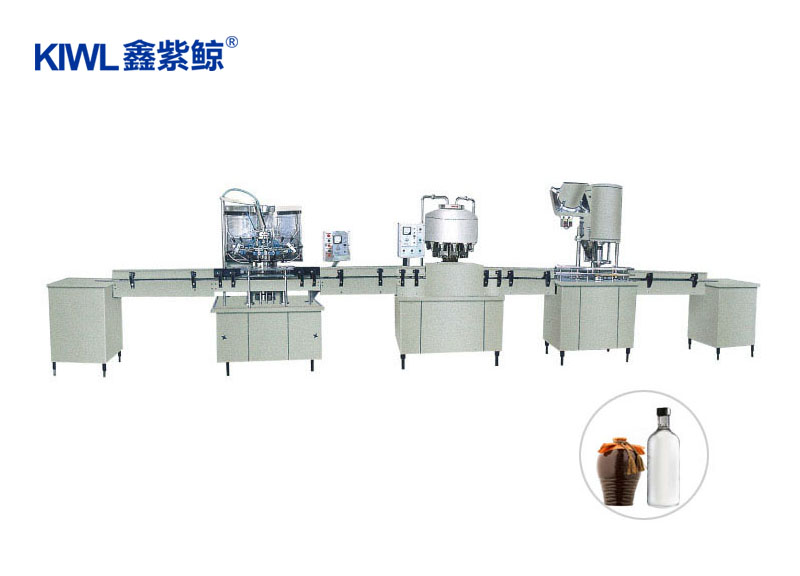
Operating a three-in-one filling equipment efficiently requires precise understanding and execution. This guide outlines the essential steps and considerations to ensure smooth operations and optimal performance.
Initial Setup and Preparation
Before starting the three-in-one filling equipment, it's crucial to conduct a thorough setup and preparation process. Begin by inspecting all components for cleanliness and functionality. Ensure that the machine is properly connected to utilities such as electricity, water, and compressed air. Adjust settings according to the type and size of containers and the specific liquid being filled.
Operating Procedures
Once the setup is complete, follow these step-by-step operating procedures:
1. Start-Up Sequence: Power on the machine following the manufacturer's guidelines. Allow sufficient time for the equipment to reach optimal operating temperature.
2. Container Handling: Place containers onto the conveyor system carefully to avoid jams or spills. Ensure that the containers are aligned properly to facilitate smooth filling and capping processes.
3. Filling Process: Initiate the filling process by selecting the appropriate parameters on the control panel. Monitor the flow of liquid into each container to maintain accurate fill levels. Adjust settings as needed to accommodate different viscosities or bottle sizes.
4. Capping and Sealing: After filling, proceed to the capping station. Ensure that caps are correctly aligned and sealed securely to prevent leakage or contamination.
5. Quality Control: Implement regular quality checks during production to verify fill levels, cap integrity, and overall product quality. Make adjustments to the equipment settings if deviations are detected.
Maintenance and Troubleshooting
Regular maintenance is essential to keep the three-in-one filling equipment in optimal condition. Follow the manufacturer's recommended maintenance schedule for tasks such as lubrication, cleaning, and parts replacement. Promptly address any issues or malfunctions by consulting the troubleshooting section of the equipment manual or contacting technical support.
Conclusion
Operating a three-in-one filling equipment demands attention to detail and adherence to established procedures. By following the steps outlined in this guide, operators can maximize efficiency, ensure product quality, and minimize downtime. Remember, proper setup, careful operation, and regular maintenance are key to achieving consistent and reliable performance from the equipment.
This guide provides a foundational understanding of the operational processes involved in using a three-in-one filling equipment, empowering operators to handle their tasks effectively and contribute to the overall productivity of the manufacturing process.