Simplifying Operation of Three-in-One Filling Equipment
-
category
-
model number
-
specs
instructions
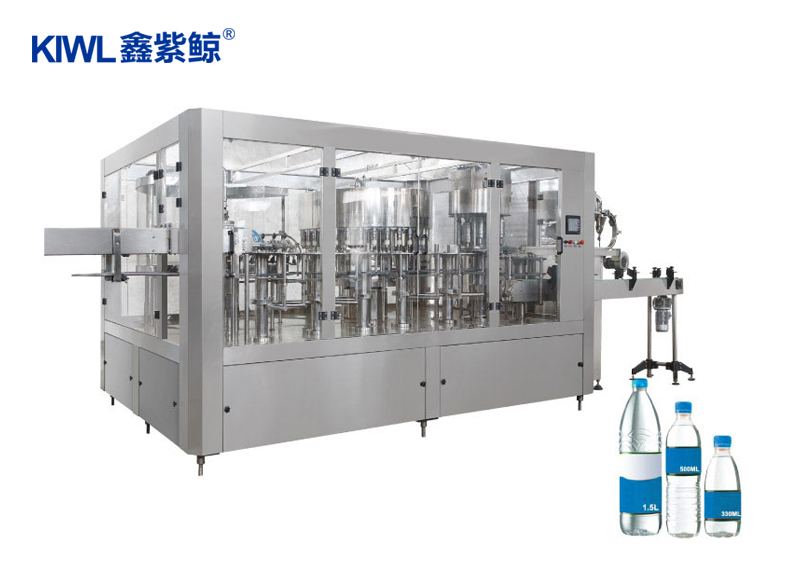
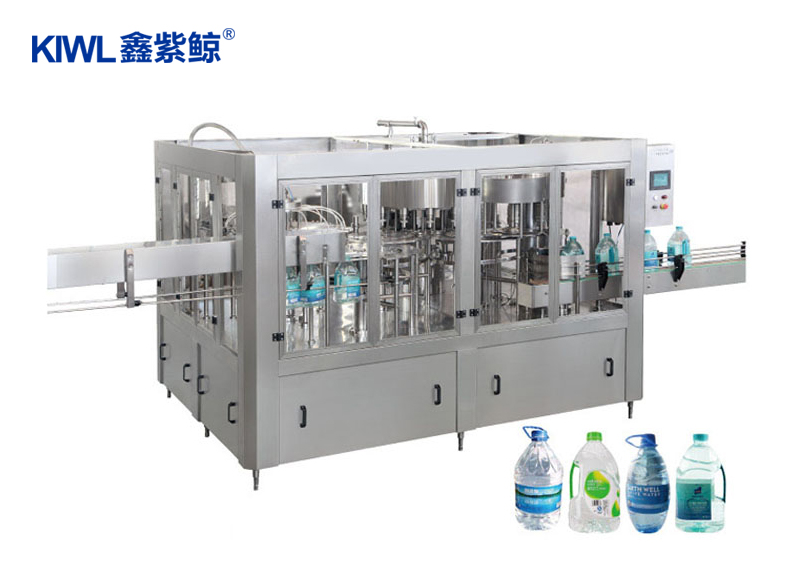
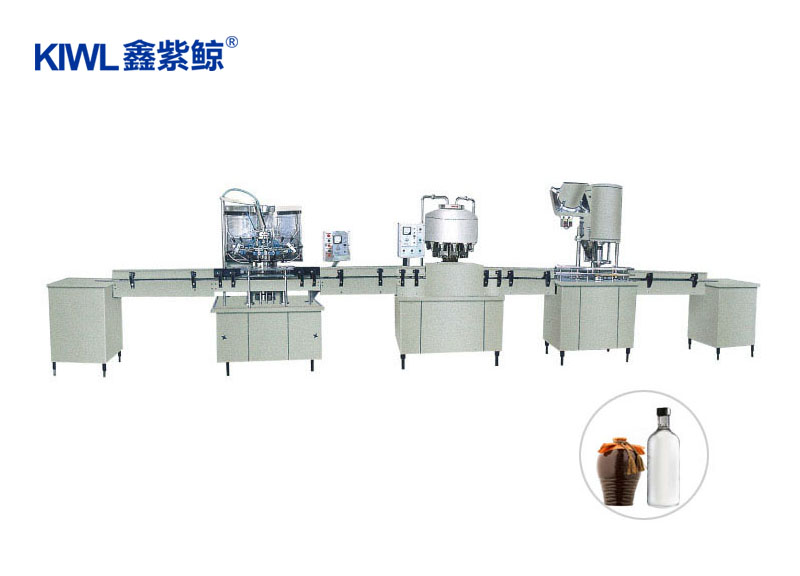
In today's competitive manufacturing landscape, efficiency and ease of operation are paramount. This holds particularly true for three-in-one filling equipment, which integrates rinsing, filling, and capping processes into a single streamlined system. These machines are crucial for industries ranging from beverage production to pharmaceuticals, where precision and speed are essential for meeting consumer demands.
Streamlined Operations for Enhanced Efficiency
The design of three-in-one filling equipment focuses on minimizing manual interventions and optimizing workflow. Operators benefit from intuitive interfaces that reduce training time and operational errors. Tasks such as container loading, product filling, and cap application are seamlessly coordinated, ensuring a smooth production flow. This efficiency not only enhances productivity but also reduces downtime, thereby maximizing output.

Advanced Technology for Precision Performance
Modern three-in-one filling machines leverage advanced technologies to achieve precise measurements and consistent results. Automated sensors monitor filling levels and cap placement, adjusting parameters in real time to maintain accuracy. This technological integration not only improves product quality but also enhances reliability, meeting stringent industry standards and regulatory requirements with ease.
Flexibility and Adaptability in Manufacturing
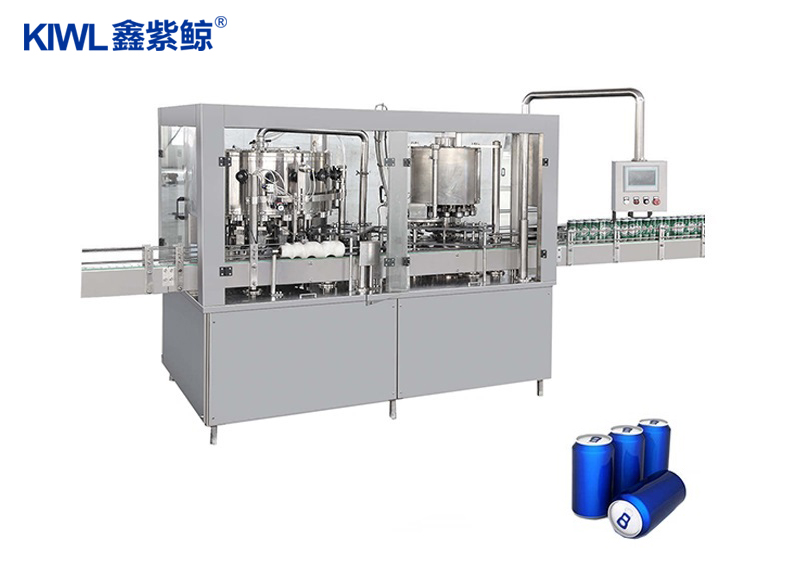
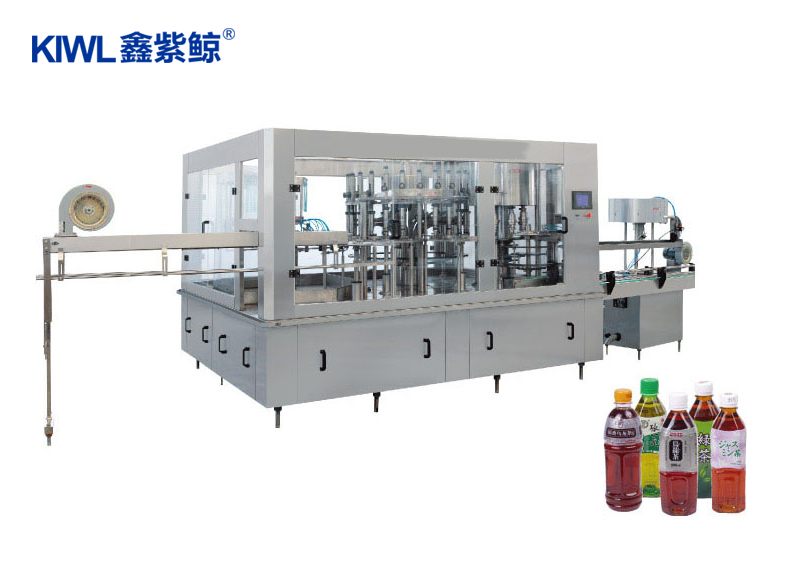
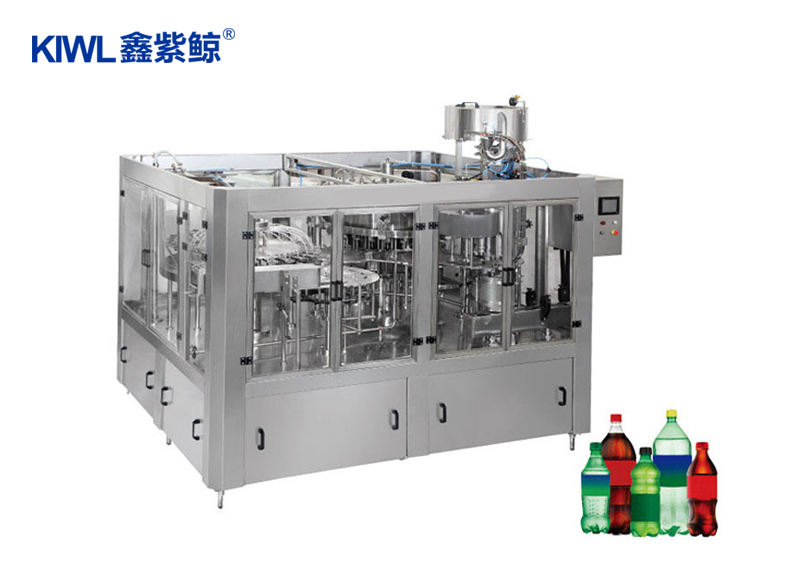
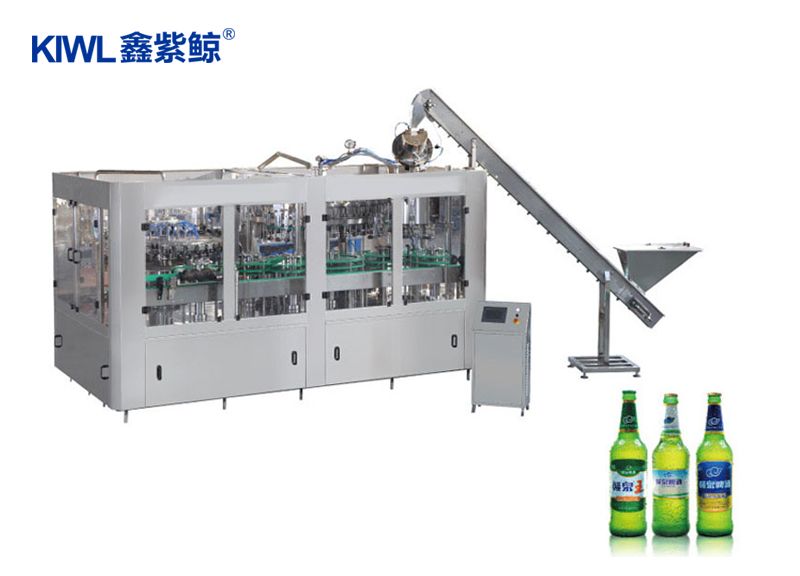
One of the standout features of three-in-one filling equipment is its ability to handle various container sizes and product types effortlessly. Whether filling bottles, cans, or jars with liquids of different viscosities, these machines are designed for versatility. Quick changeover capabilities enable swift transitions between different production runs, allowing manufacturers to respond promptly to market demands and seasonal variations.
Conclusion
In conclusion, the operational simplification of three-in-one filling equipment represents a significant advancement in industrial automation. By integrating rinsing, filling, and capping processes into a unified system, these machines optimize efficiency, enhance precision, and ensure flexibility in manufacturing operations. As industries continue to evolve, embracing such technological innovations not only boosts productivity but also positions companies competitively in the global market. Whether in beverage, pharmaceutical, or other industries, investing in modern filling equipment is a strategic move towards sustainable growth and operational excellence.