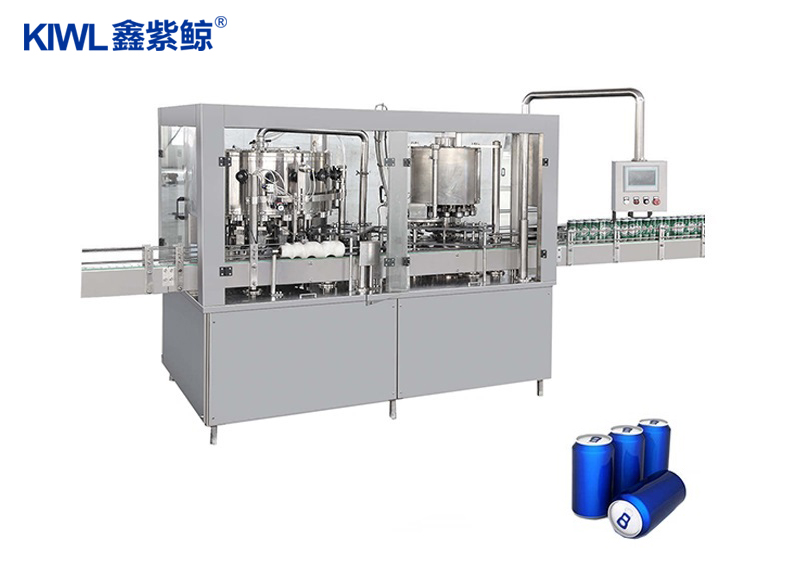
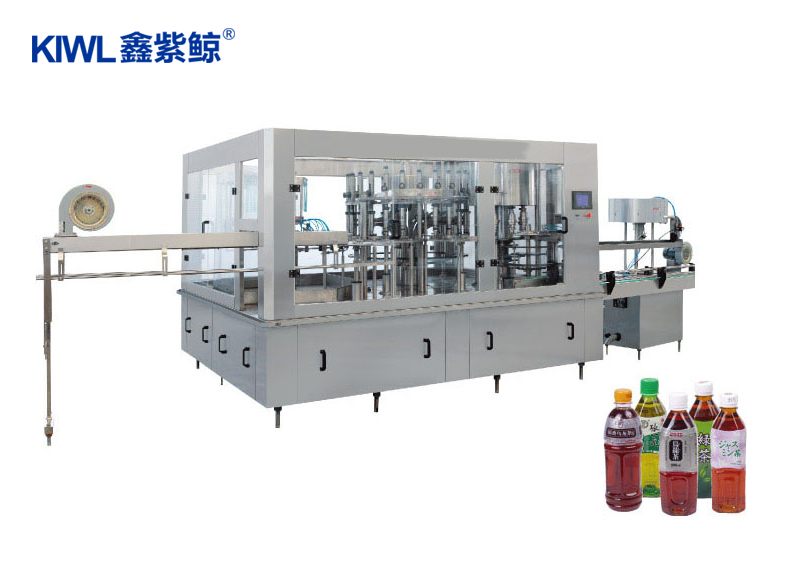
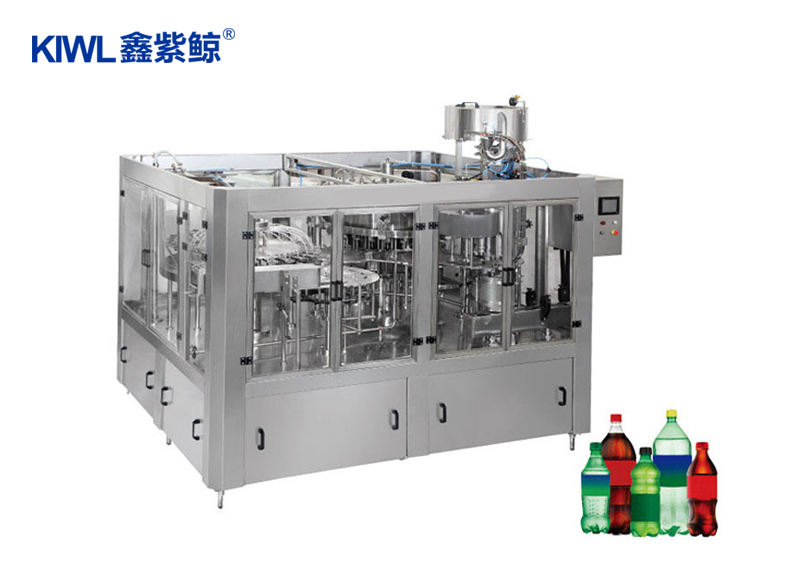
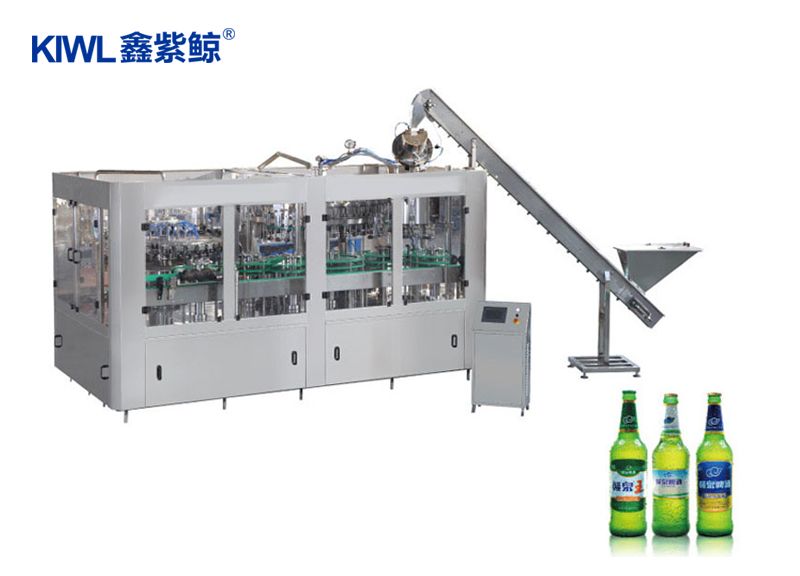
Innovations in Environmental Technology of Three-in-One Filling Equipment
-
category
-
model number
-
specs
instructions
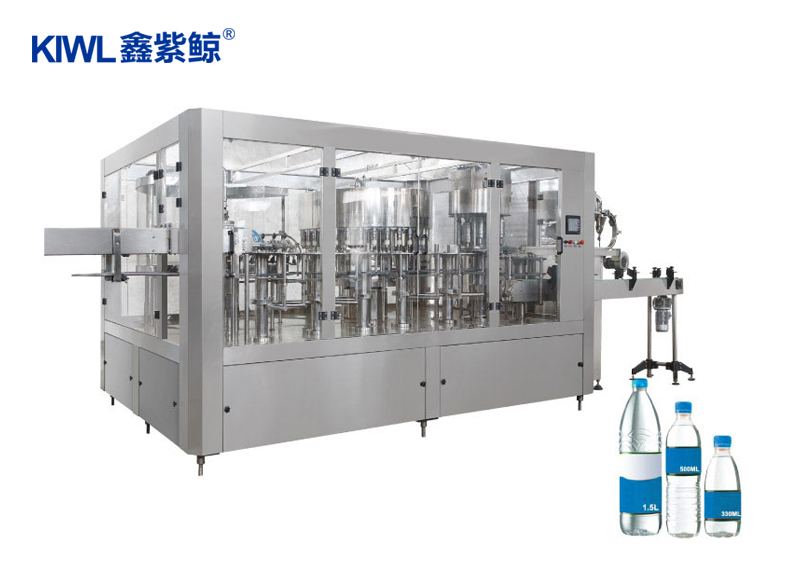
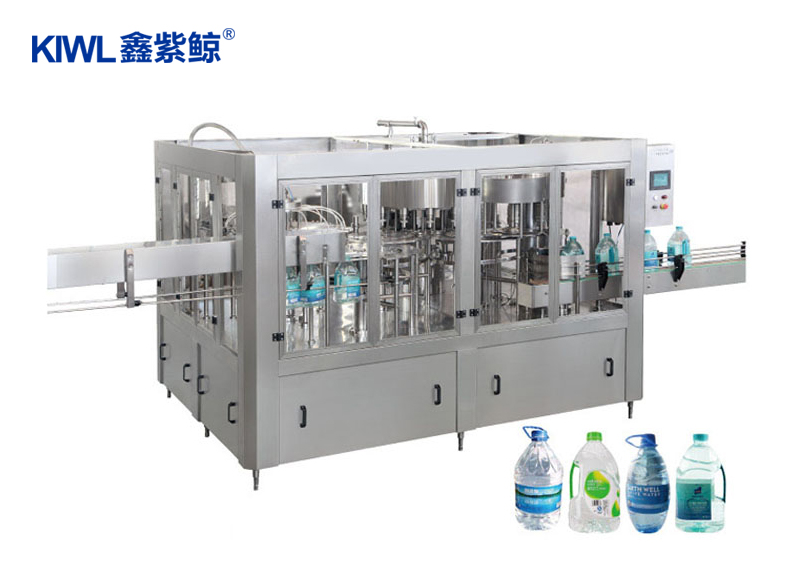
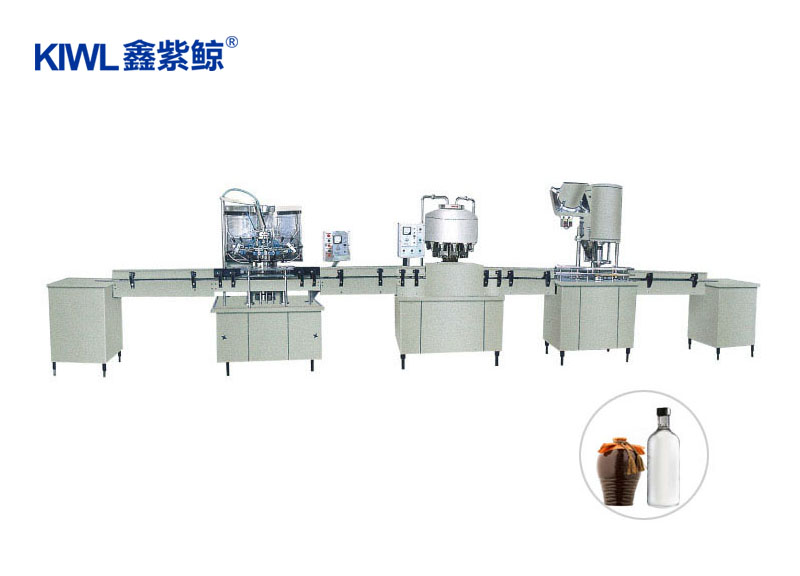
In today's industrial landscape, the demand for efficient and environmentally friendly technologies is paramount. The three-in-one filling equipment represents a significant advancement in this regard, combining the functions of rinsing, filling, and capping into a single streamlined process. This innovation not only enhances productivity but also reduces the environmental footprint of beverage production.

Streamlined Processes for Sustainability
Traditionally, beverage production involved separate machines for rinsing, filling, and capping, each consuming significant amounts of water and energy. The integration of these functions into a three-in-one system minimizes resource usage by optimizing the overall efficiency of the production line. This advancement is crucial in industries striving to meet stringent environmental regulations while maintaining high output.
Environmental Benefits
The environmental benefits of three-in-one filling equipment are multifaceted. Firstly, the reduction in water consumption is substantial, as the system is designed to reuse rinse water efficiently across multiple cycles. Secondly, energy savings are achieved through streamlined operations and advanced technology that minimizes heat loss and power usage during the filling and capping processes. Additionally, fewer machines mean lower manufacturing costs and less material usage for construction and maintenance, further contributing to sustainability goals.
Technological Innovations
At the heart of the three-in-one filling equipment are technological innovations that enhance its environmental performance. Advanced sensors and controls ensure precise filling levels, minimizing product wastage and optimizing container integrity. Moreover, the incorporation of lightweight materials in machine construction reduces overall energy demands during operation and transportation.
In conclusion, the advent of three-in-one filling equipment marks a significant leap forward in the beverage manufacturing industry's quest for sustainability. By integrating rinsing, filling, and capping functions into a single system, manufacturers not only boost productivity but also drastically reduce water and energy consumption. These environmental benefits are complemented by technological innovations that enhance operational efficiency and product quality. As industries worldwide embrace greener practices, the adoption of such technologies underscores a commitment to both economic efficiency and environmental stewardship.