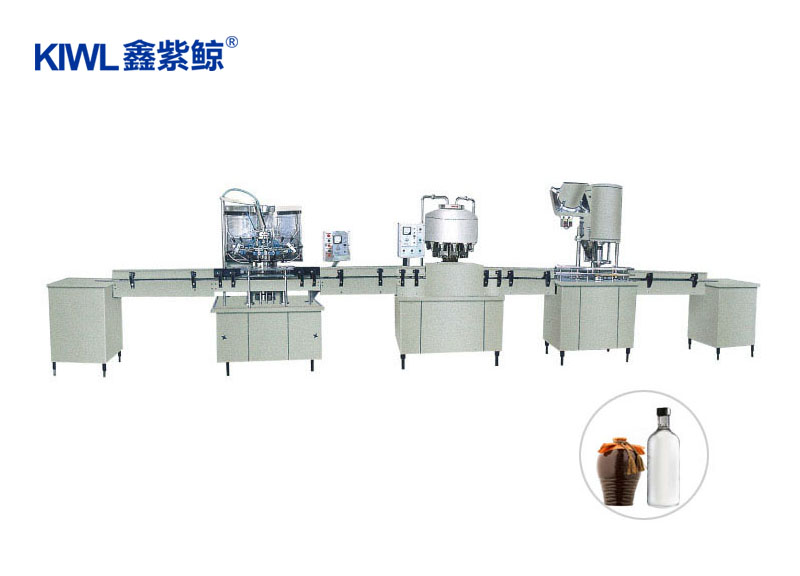
Maintenance Guide for Three-in-One Filling Equipment
-
category
-
model number
-
specs
instructions
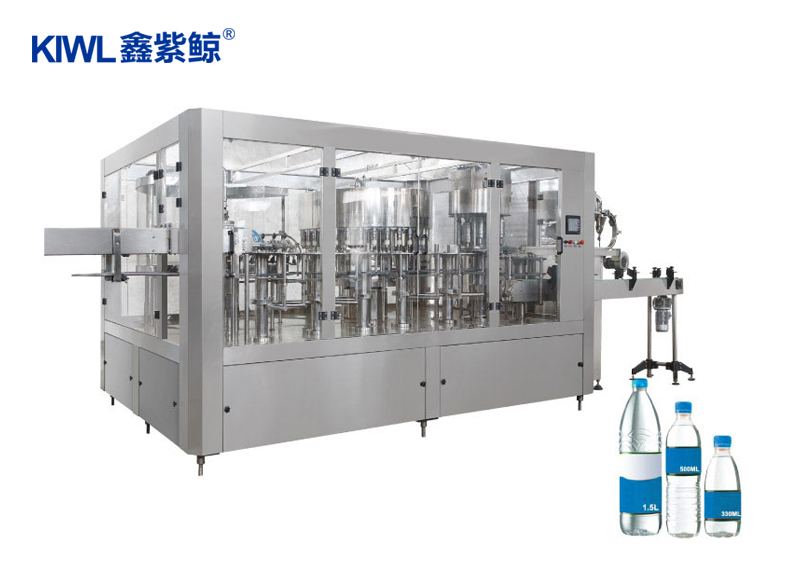
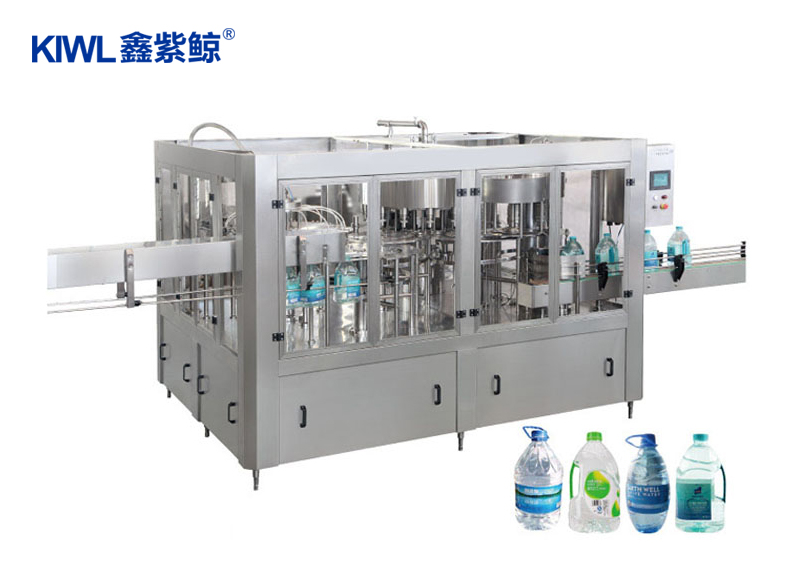
Maintaining your three-in-one filling equipment is crucial for ensuring its efficiency and longevity. Regular maintenance not only prevents breakdowns but also optimizes performance, ultimately saving costs and enhancing productivity.
1. Cleaning Procedures
Proper cleaning is fundamental to the upkeep of three-in-one filling equipment. Begin by dismantling components according to the manufacturer's instructions. Use mild detergents and appropriate cleaning agents to remove residue and buildup from containers, nozzles, and conveyors. Pay particular attention to valves and seals to prevent contamination. After cleaning, sanitize all parts thoroughly to meet hygiene standards. Regular cleaning schedules should be established to prevent product spoilage and maintain the quality of filled goods.

2. Lubrication Practices
Proper lubrication is essential to ensure smooth operation and reduce wear on moving parts. Consult the equipment manual for recommended lubricants and intervals. Apply lubricants sparingly but regularly to bearings, gears, and sliding surfaces. Over-lubrication can attract dust and contaminants, leading to malfunctions. Regularly inspect lubricated parts for signs of excess wear or deterioration. Implement a lubrication schedule and keep detailed records to track maintenance tasks effectively.
3. Inspection and Calibration
Regular inspection and calibration are critical to maintaining accuracy and reliability in filling operations. Inspect sensors, meters, and controls to ensure they are functioning correctly. Calibrate equipment according to industry standards and product specifications. Periodically test filling volumes and adjust settings as necessary to minimize product giveaway and ensure consistency. Keep detailed records of inspections and calibrations to identify trends and anticipate maintenance needs proactively.
Conclusion
Proper maintenance of three-in-one filling equipment is essential for optimizing performance and prolonging its operational lifespan. By following rigorous cleaning procedures, implementing effective lubrication practices, and conducting regular inspections and calibrations, you can minimize downtime, reduce maintenance costs, and uphold product quality standards. Prioritize maintenance as an integral part of your production strategy to achieve consistent results and meet customer expectations effectively.