Three-in-One Filling Equipment: Analyzing its Advantages
-
category
-
model number
-
specs
instructions
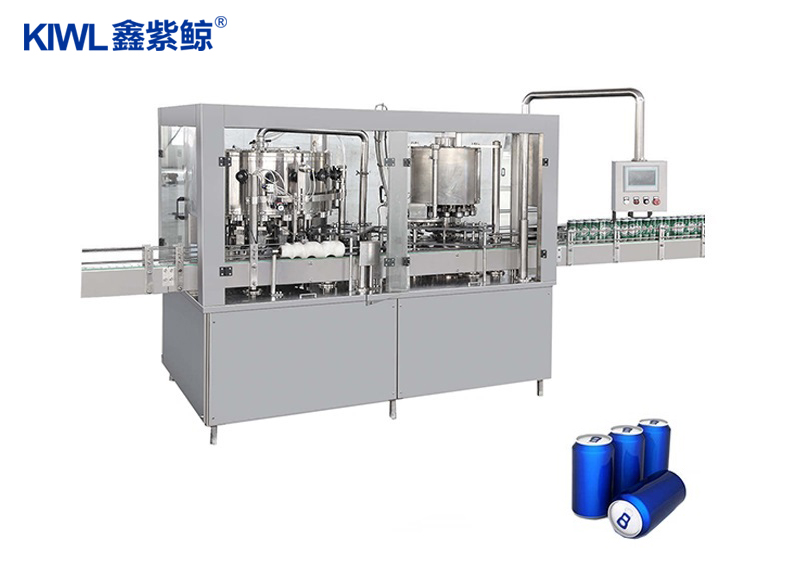
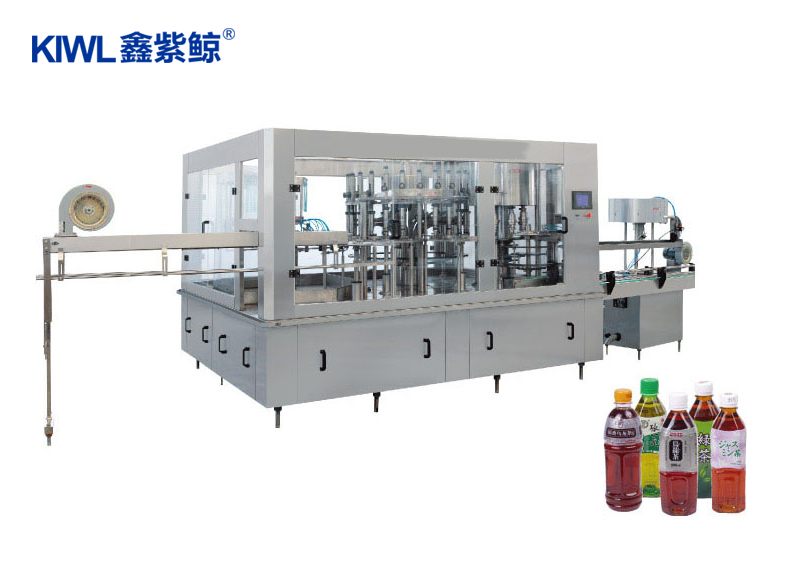
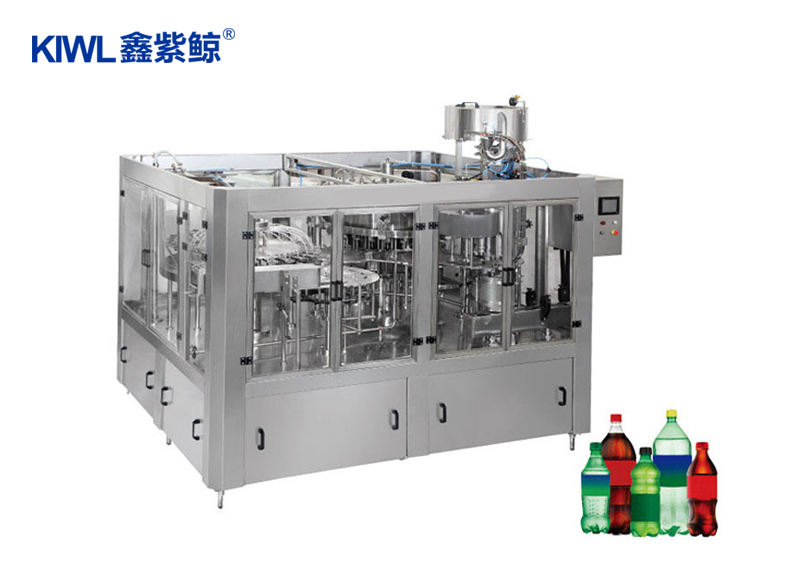
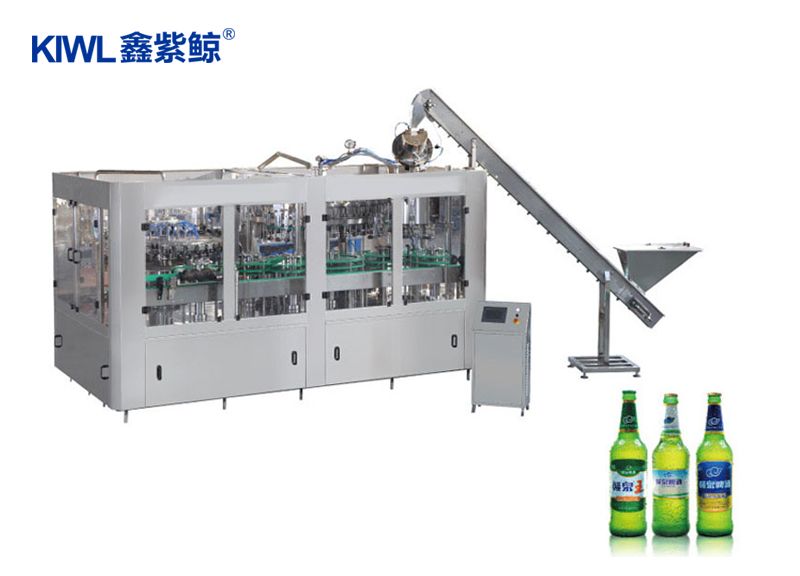
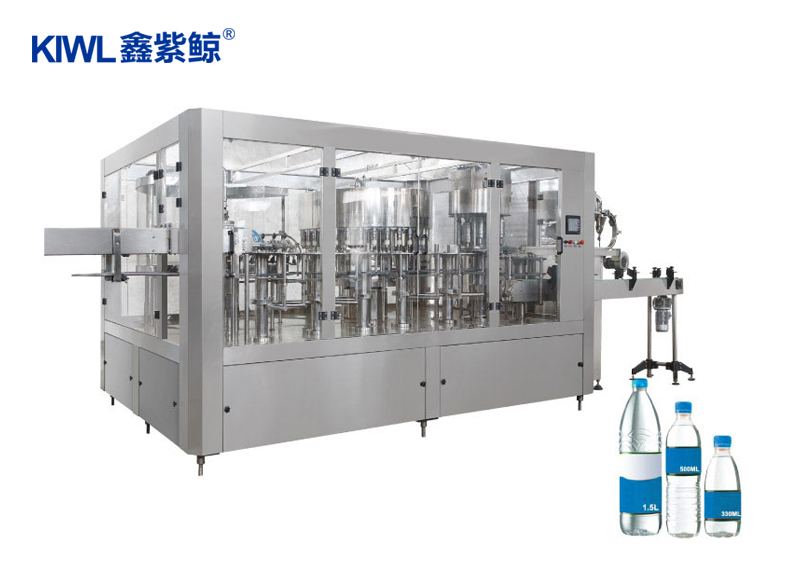
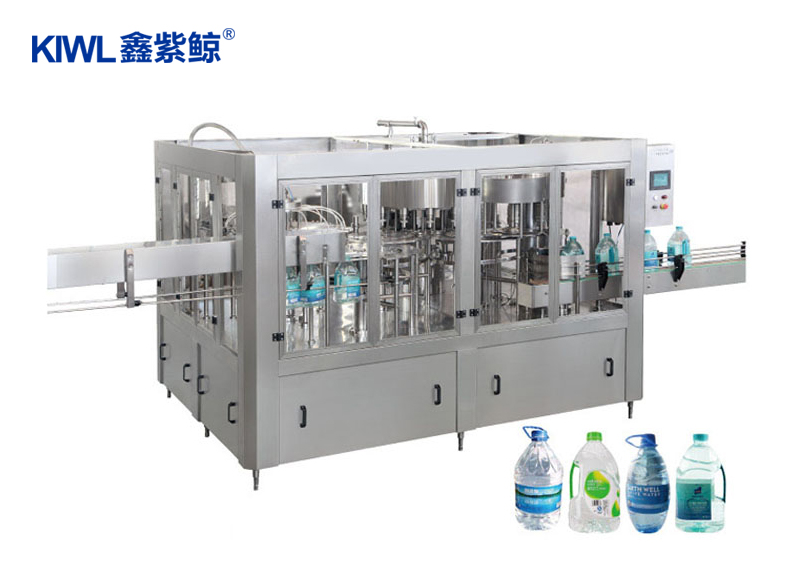
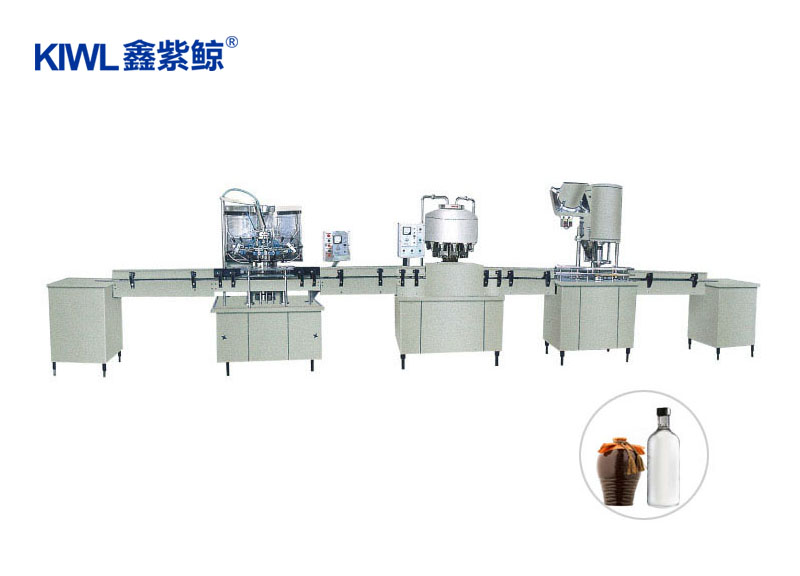
In the realm of industrial machinery, three-in-one filling equipment stands out for its multifunctionality and efficiency. This equipment integrates washing, filling, and capping processes into a single unit, streamlining production lines and offering numerous advantages to manufacturers across various sectors.
Three-in-one filling equipment excels in its ability to enhance operational efficiency. By combining three essential functions into one streamlined process, manufacturers can significantly reduce the time required for production cycles. This not only increases throughput but also minimizes labor costs associated with operating separate machines for each stage of the filling process.

Moreover, the compact design of three-in-one filling equipment optimizes floor space utilization within factories. Traditional filling lines often require large areas to accommodate separate machines for washing, filling, and capping. In contrast, this integrated equipment condenses the footprint needed, allowing manufacturers to utilize their space more efficiently for other essential operations or even expansion.
Enhanced Precision and Consistency
Precision and consistency are crucial in manufacturing, particularly in sectors such as pharmaceuticals, beverages, and cosmetics. Three-in-one filling equipment ensures precise control over each stage of the filling process, from sterilization during washing to accurate liquid dispensing during filling. This level of control minimizes product wastage due to spills or inaccurate measurements, thereby improving overall production yield and reducing costs associated with raw materials.
Versatility Across Industries
The versatility of three-in-one filling equipment makes it adaptable across various industries. Whether filling bottles with carbonated beverages, packaging pharmaceutical syrups, or capping cosmetic containers, this equipment can be configured to meet the specific requirements of different products and packaging formats. Manufacturers benefit from its flexibility, as it allows for seamless transitions between different production runs without extensive reconfiguration or downtime.
Conclusion
In conclusion, three-in-one filling equipment represents a significant advancement in manufacturing technology, offering enhanced efficiency, precision, and versatility across industries. By integrating washing, filling, and capping functions into a single unit, this equipment streamlines production processes, reduces operational costs, and optimizes floor space utilization. Its ability to ensure consistent product quality and adaptability to diverse production needs makes it a valuable asset for modern manufacturing facilities looking to enhance productivity and competitiveness in the global market. For industries seeking to optimize their production lines and meet growing consumer demands, investing in three-in-one filling equipment proves to be a strategic choice for sustainable growth and operational excellence.