Key Points for Selecting Three-in-One Filling Equipment
-
category
-
model number
-
specs
instructions
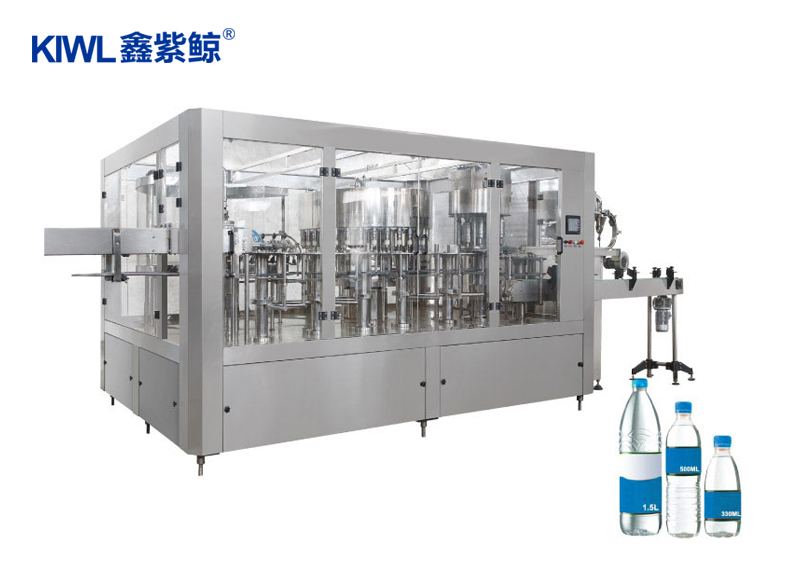
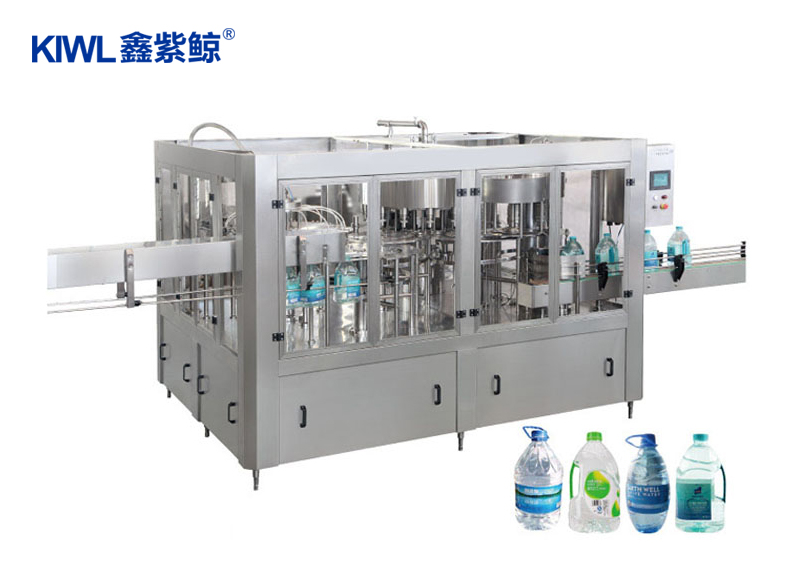
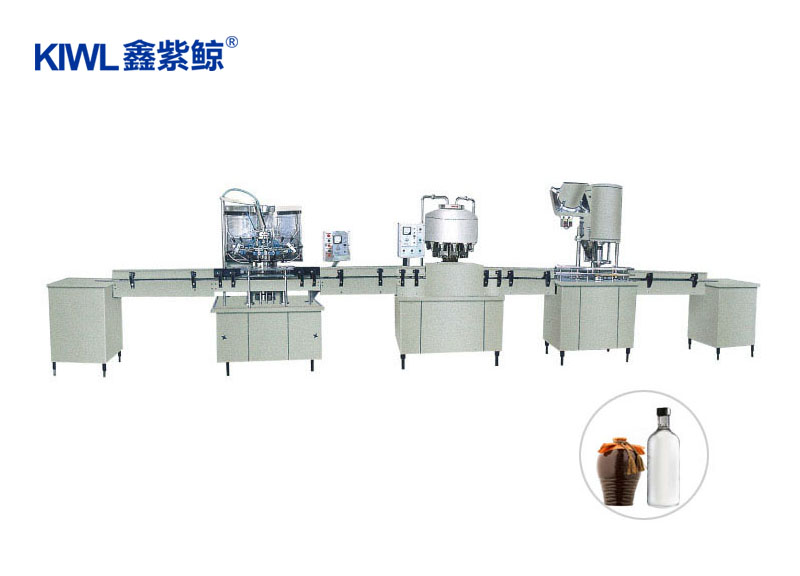
In the realm of beverage production, the efficiency and precision of filling equipment play a crucial role in maintaining product quality and meeting market demands. Three-in-one filling equipment integrates rinsing, filling, and capping processes into a single system, streamlining operations and enhancing productivity. When considering the purchase of such equipment, several key factors merit careful consideration to ensure optimal performance and compatibility with production needs.
Technical Specifications and Capacity
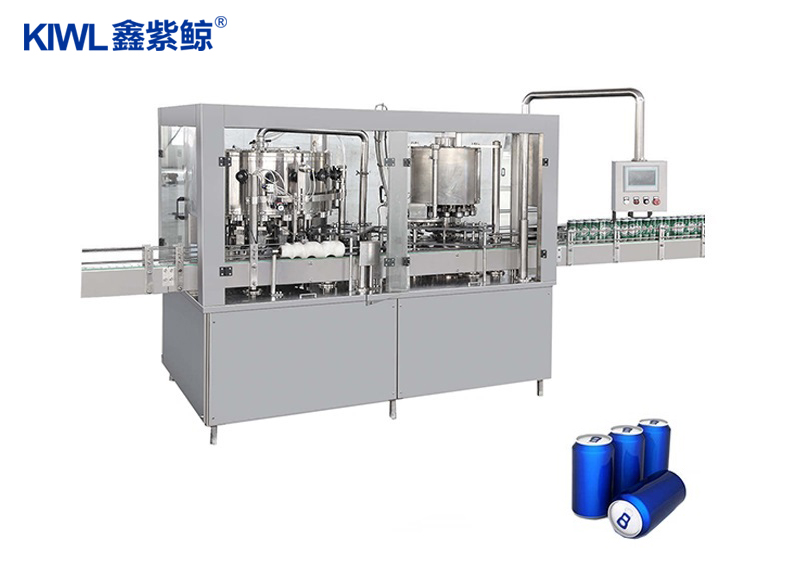
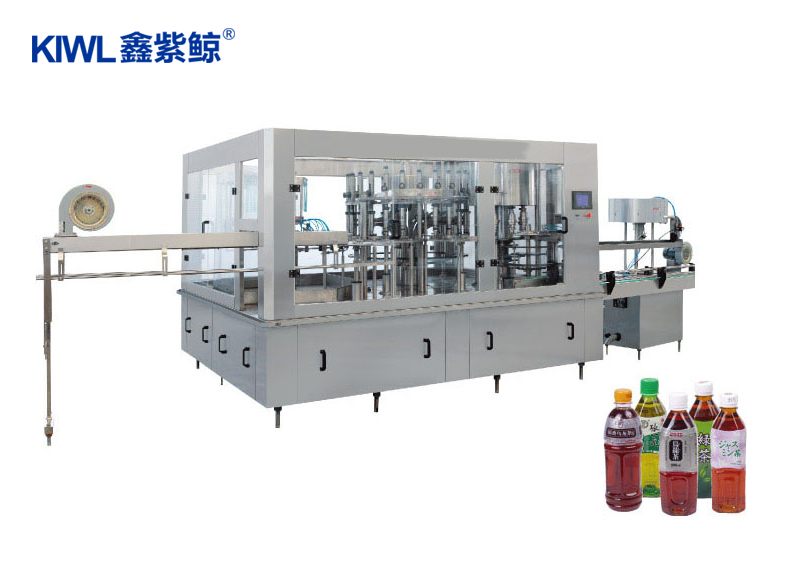
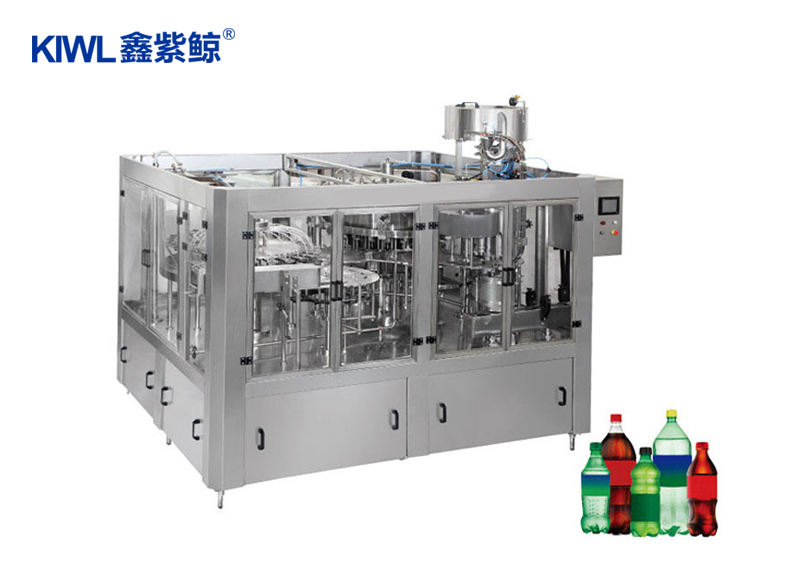
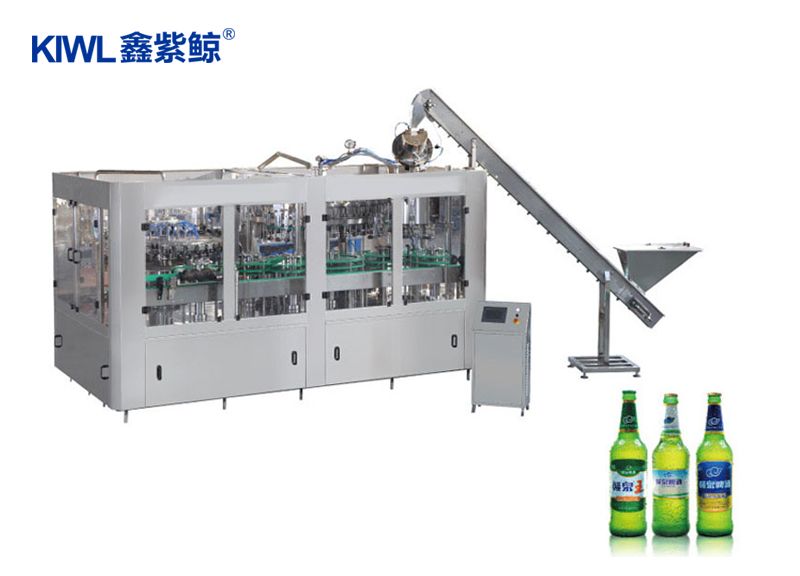
The first critical factor in selecting three-in-one filling equipment is assessing its technical specifications and production capacity. Different models vary in their ability to handle specific bottle sizes, production speeds, and types of beverages. It is essential to choose equipment that aligns with your production volume requirements without compromising on filling accuracy and speed. Factors such as the type of beverage (carbonated or non-carbonated) and container material (glass or PET) should also influence your decision.

Quality and Reliability
Secondly, prioritize the equipment's build quality and reliability. Investing in robust machinery ensures longevity and reduces downtime due to maintenance or repairs. Components such as valves, conveyors, and sensors should be made from durable materials suitable for the environment they will operate in. Checking the manufacturer's reputation and customer reviews can provide insights into the equipment's performance and after-sales support, crucial for uninterrupted production schedules.
Flexibility and Adaptability
Lastly, consider the equipment's flexibility and adaptability to future production needs. Modern manufacturing environments often require equipment that can accommodate changes in bottle designs, filling volumes, or product variations. Look for features such as quick-change parts and programmable settings that facilitate adjustments and minimize setup times. This adaptability not only enhances operational efficiency but also future-proofs your investment against evolving market trends and consumer preferences.
Conclusion
Selecting the right three-in-one filling equipment involves careful evaluation of technical specifications, build quality, and flexibility. By prioritizing these factors, beverage manufacturers can ensure smooth operations, consistent product quality, and long-term profitability. Remember to assess each potential supplier thoroughly and leverage technological advancements to stay competitive in the dynamic beverage industry landscape. With these considerations in mind, investing in high-quality filling equipment becomes not just a necessity but a strategic advantage in meeting consumer demands effectively.