Three-in-One Filling Equipment: Unveiling the Key Points for Selection
-
category
-
model number
-
specs
instructions
In the realm of manufacturing and packaging, the choice of filling equipment plays a pivotal role in ensuring efficiency, accuracy, and overall product quality. Among these, the three-in-one filling equipment stands out for its multifunctionality and streamlined operation. This article dives into the essential considerations when selecting such equipment, offering insights crucial for informed decision-making.
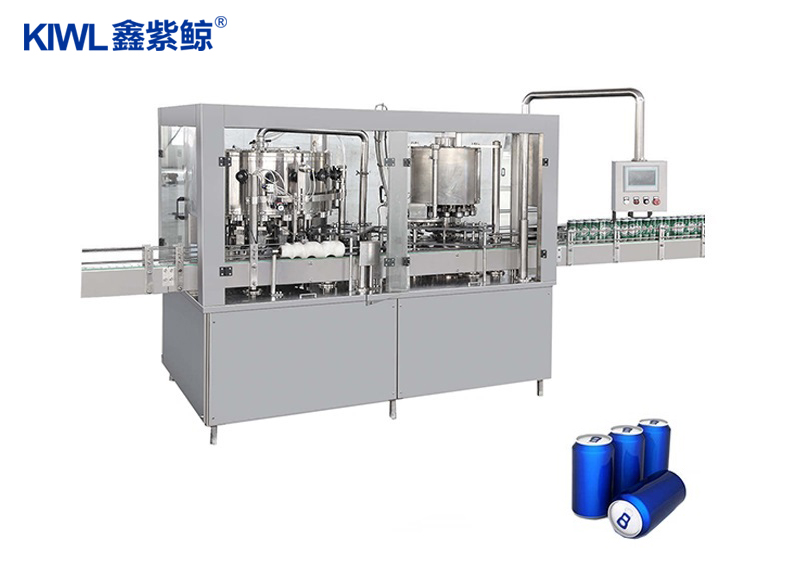
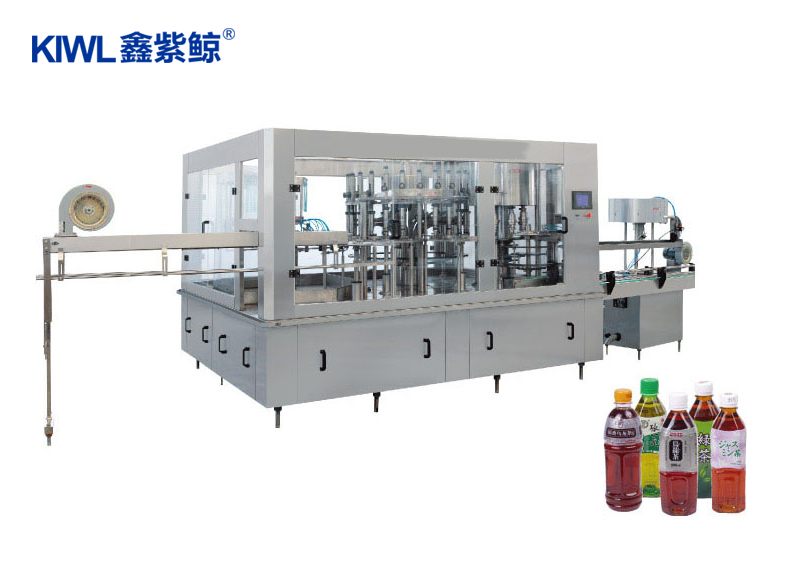
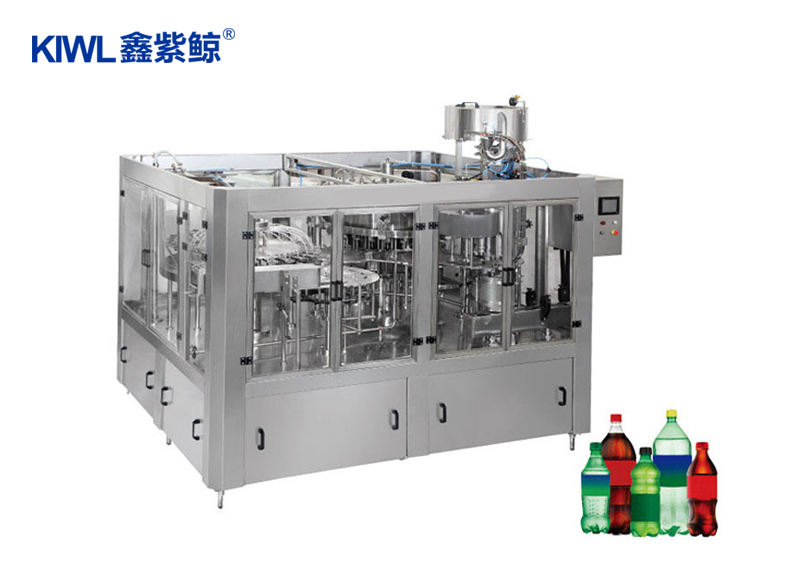
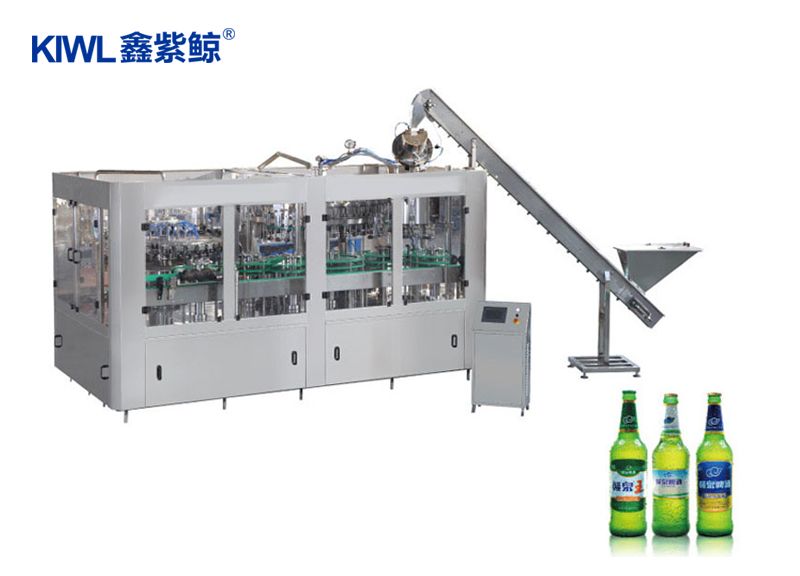
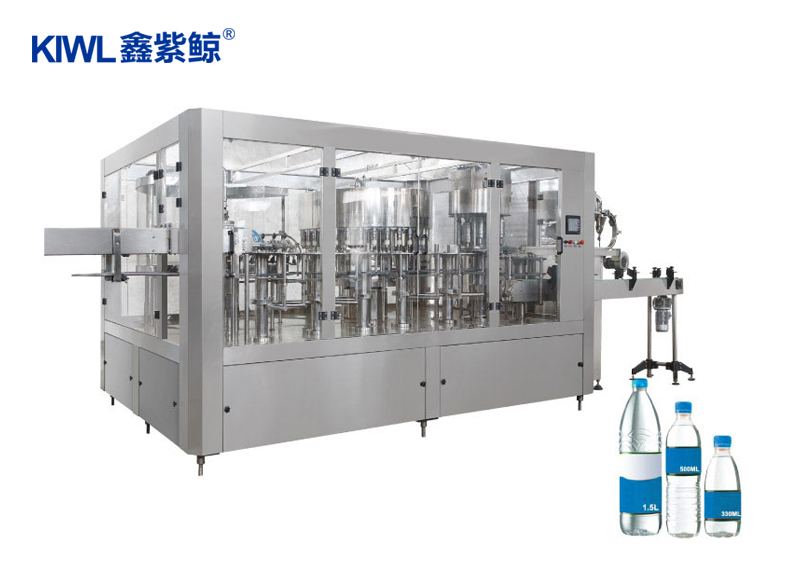
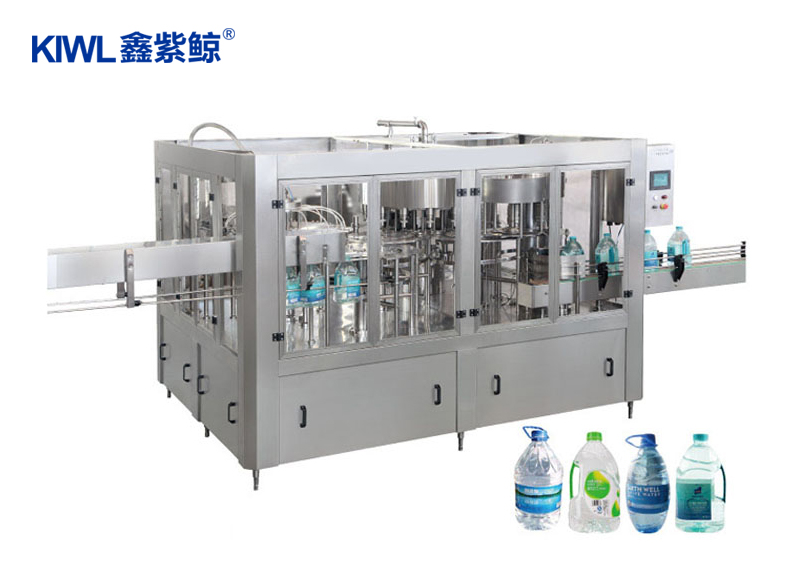
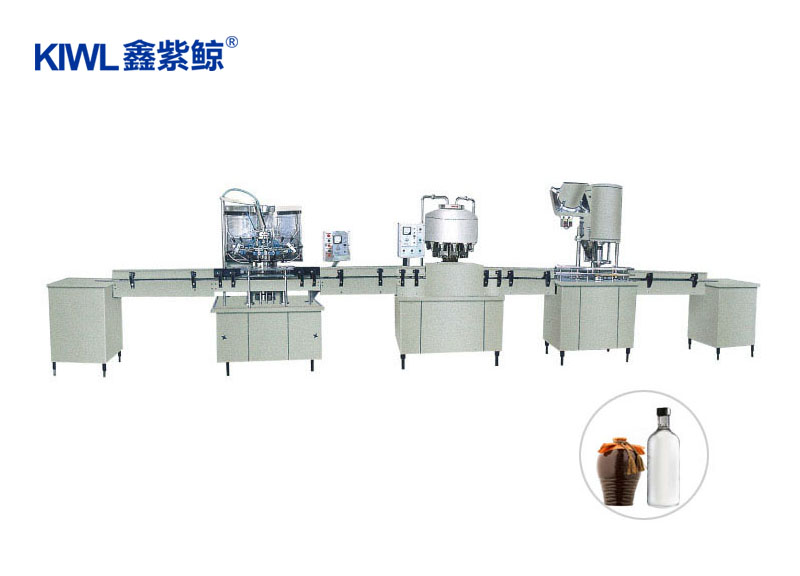
Three-in-one filling equipment integrates functions of rinsing, filling, and capping into a single system, optimizing production lines by reducing space requirements and operational complexity. Manufacturers keen on enhancing productivity often find these systems indispensable. The equipment's design not only saves floor space but also minimizes the need for labor-intensive manual handling, thereby increasing operational efficiency.

Key Considerations in Selecting Three-in-One Filling Equipment
1. Capacity and Throughput
The first critical factor to evaluate is the equipment's capacity and throughput capabilities. Understanding the production requirements is essential to match the equipment's speed and volume output with operational needs. Whether it's for small-scale production or high-speed industrial lines, the equipment should meet or exceed expected throughput without compromising on fill accuracy.
2. Flexibility and Adaptability
Modern production environments demand flexibility to accommodate varying bottle sizes, shapes, and product types. Three-in-one filling equipment equipped with quick-change parts and adaptable settings allows for seamless transition between different production runs. This versatility not only enhances operational efficiency but also future-proofs the investment against changing market demands.
3. Quality Control and Hygiene Standards
Maintaining product integrity and meeting hygiene standards are non-negotiable in industries such as food, beverage, and pharmaceuticals. Look for equipment constructed from FDA-approved materials and designed for easy cleaning and sterilization. Features such as automated cleaning cycles and sanitary filling processes ensure compliance with regulatory requirements while safeguarding product quality.
Conclusion
Choosing the right three-in-one filling equipment involves meticulous consideration of capacity, flexibility, and adherence to quality standards. By prioritizing these factors, manufacturers can enhance production efficiency, ensure product integrity, and ultimately, achieve sustainable growth in their operations.
This guide serves as a roadmap for navigating the complexities of equipment selection, empowering decision-makers to invest wisely in technologies that propel their businesses forward. As industries continue to evolve, embracing innovative solutions like three-in-one filling equipment becomes not just a choice but a strategic imperative for staying competitive in the global marketplace.