Recent Advances in Three-Gallon Filling Technology
-
category
-
model number
-
specs
instructions
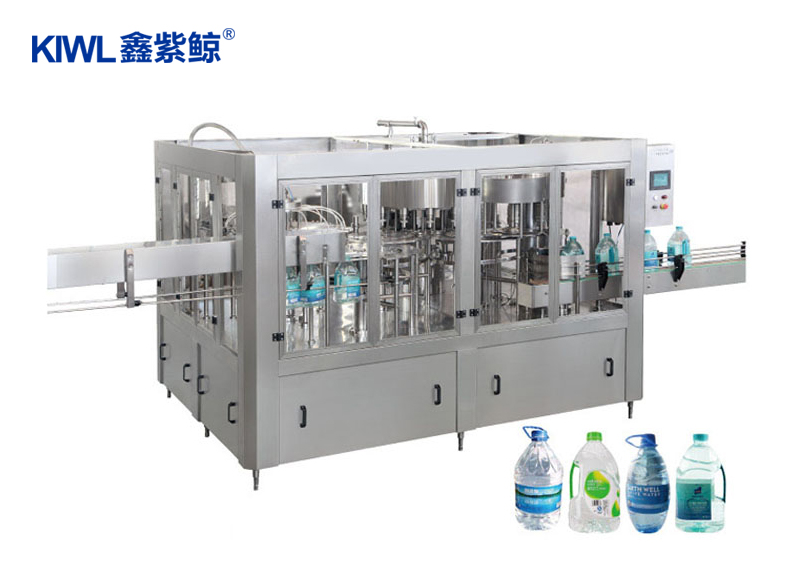
In the realm of industrial advancements, the evolution of three-gallon filling technology has marked a significant leap forward. This innovative approach not only enhances operational efficiency but also ensures precision in fluid handling applications. Traditionally, filling large containers posed challenges in terms of accuracy and speed. However, with the advent of cutting-edge technologies, such as automated volumetric sensors and advanced sealing mechanisms, these challenges are rapidly becoming a thing of the past.

Automated Volumetric Sensors
One of the cornerstones of the new three-gallon filling technology is the integration of automated volumetric sensors. These sensors employ sophisticated algorithms to precisely measure and dispense fluids, ensuring every container receives the exact amount specified. This not only reduces wastage but also enhances product consistency, crucial for industries ranging from food and beverage to pharmaceuticals. The ability to calibrate these sensors to accommodate various viscosities further underscores their versatility and utility across different sectors.
Advanced Sealing Mechanisms
Another pivotal advancement lies in the development of advanced sealing mechanisms. The traditional concerns of leakage and contamination during the filling process are effectively mitigated by these state-of-the-art seals. Engineered with robust materials and designed for seamless integration into the filling apparatus, these mechanisms uphold stringent hygiene standards while maintaining operational efficiency. Furthermore, their durability ensures prolonged service life, thereby minimizing maintenance costs—a boon for manufacturers seeking sustainable and cost-effective solutions.
Enhanced Operational Efficiency
In conclusion, the recent advancements in three-gallon filling technology signify a transformative shift in industrial practices. By harnessing automated volumetric sensors and advanced sealing mechanisms, manufacturers can achieve unparalleled levels of accuracy, efficiency, and reliability in their filling operations. These innovations not only streamline production processes but also elevate product quality standards, meeting the growing demands of global markets. As industries continue to embrace these cutting-edge technologies, the future holds promise for further innovations that will redefine the landscape of fluid handling and packaging solutions.