Tips for Operating a 3-Gallon Filling Production Line
-
category
-
model number
-
specs
instructions
Operating a 3-gallon filling production line requires precision, efficiency, and adherence to safety protocols. Whether you're a seasoned operator or new to the role, mastering these techniques is crucial for ensuring smooth operations and high-quality output.
Understanding the Equipment
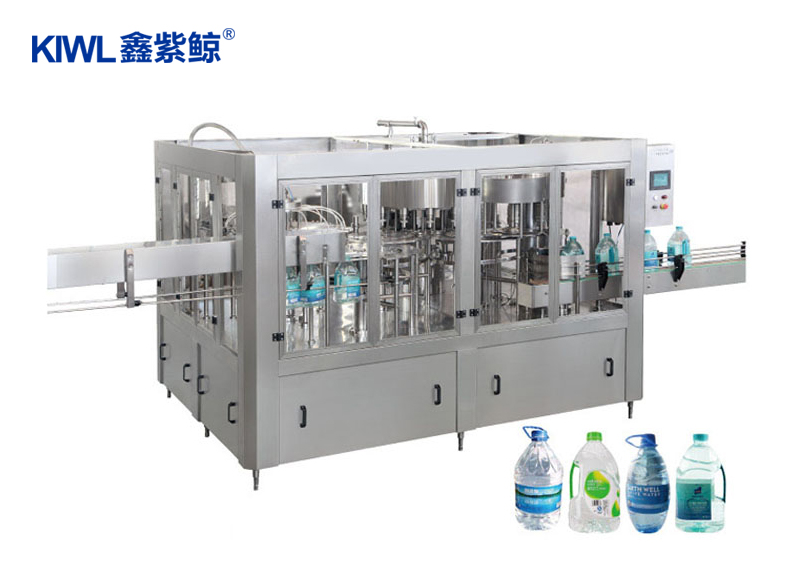
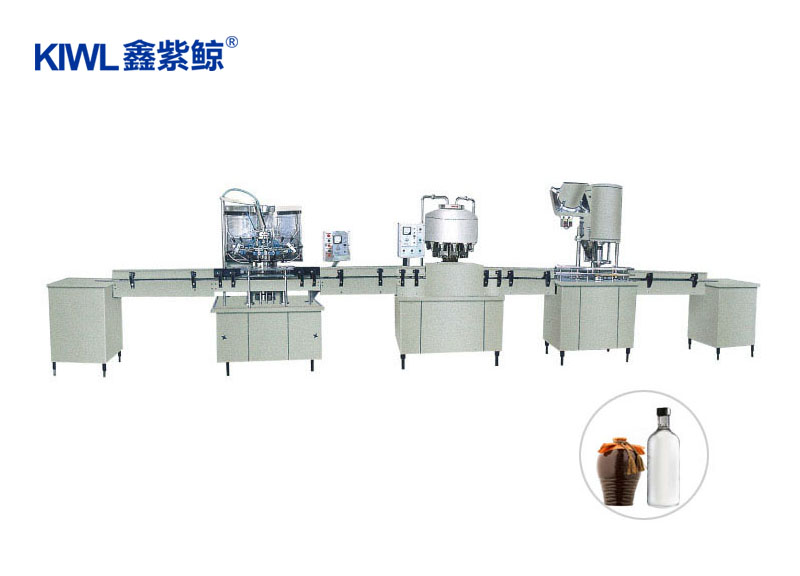
Before starting the production line, familiarize yourself with each component of the 3-gallon filling system. This includes the main filler unit, conveyors, capping machines, and quality control stations. Proper understanding ensures you can troubleshoot issues swiftly and maintain consistent production flow.

Setting Up for Efficiency
Efficient setup is key to maximizing productivity. Begin by calibrating the filling volumes and ensuring all equipment is sanitized according to regulatory standards. Conduct trial runs to optimize settings for different product viscosities and container sizes. This preemptive approach minimizes downtime during actual production and reduces product wastage.
Operating Procedures
During operation, maintain a steady pace to ensure consistent filling and capping. Monitor the flow of containers to prevent jams and optimize throughput. Regularly inspect seals and caps to guarantee product integrity. Implementing a checklist for each shift helps maintain quality standards and identifies potential issues early.
Maintenance and Safety Checks
Regular maintenance enhances equipment longevity and minimizes breakdowns. Schedule routine inspections for wear and tear, lubricate moving parts, and replace worn-out components promptly. Prioritize safety by enforcing PPE usage, training staff on emergency protocols, and keeping work areas clean to prevent slips and falls.
Conclusion
Mastering the operation of a 3-gallon filling production line requires attention to detail, adherence to procedures, and a proactive maintenance approach. By understanding the equipment, optimizing setup, and following stringent operational and safety protocols, operators can ensure smooth operations and consistently high-quality production output. These techniques not only enhance efficiency but also contribute to a safer and more productive work environment.