Three-Gallon Filling Machine Price Analysis for Efficient Purchasing
-
category
-
model number
-
specs
instructions
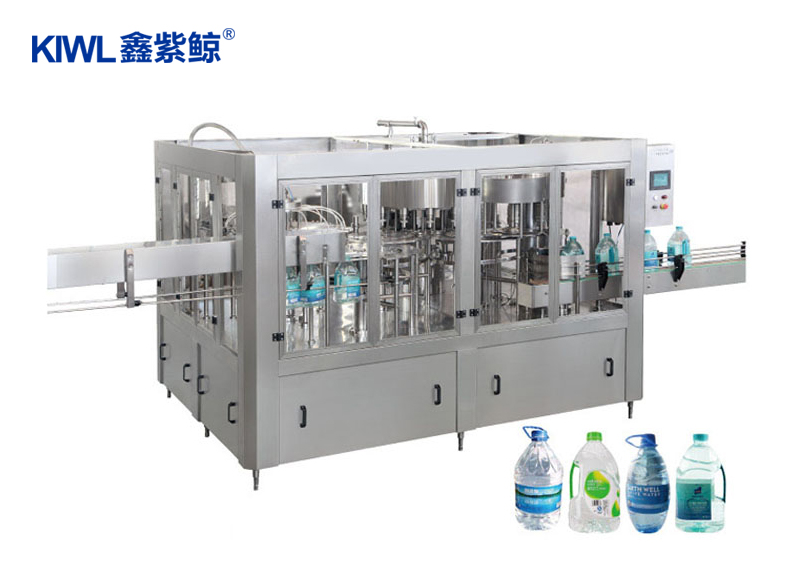
In the realm of industrial equipment procurement, understanding the pricing dynamics of specific machinery is crucial. This holds especially true for three-gallon filling machines, which play a pivotal role in various manufacturing processes. From beverage production to chemical industries, these machines ensure precise filling operations, optimizing efficiency and output. However, before investing in such equipment, a comprehensive analysis of pricing factors is essential to make informed decisions.
To begin with, the cost of a three-gallon filling machine can vary significantly based on several key factors. Firstly, the brand and reputation of the manufacturer heavily influence pricing. Established brands with a history of reliability and innovation tend to offer machines at higher price points, reflecting their quality and after-sales service. Conversely, lesser-known brands may provide cheaper alternatives but could compromise on durability and performance.

Secondly, the specifications and technical capabilities of the machine impact its price. Machines equipped with advanced automation features, such as programmable logic controllers (PLCs) and touchscreen interfaces, generally command higher prices due to their enhanced functionality and ease of operation. On the other hand, basic models with manual controls are more affordable but may require higher labor inputs and lack operational flexibility.
Factors Influencing Three-Gallon Filling Machine Prices
Apart from brand reputation and technical specifications, market conditions and geographical location also play significant roles in determining prices. In regions with high demand and limited supply of such specialized equipment, prices tend to be higher. Moreover, economic factors such as currency fluctuations and material costs directly influence the pricing strategies adopted by manufacturers.
When evaluating potential suppliers, it is essential to consider the comprehensive cost of ownership rather than just the initial purchase price. Factors such as maintenance requirements, spare parts availability, and energy efficiency contribute to the long-term operational costs of the machine. Opting for suppliers offering robust warranty coverage and responsive customer support can mitigate potential risks associated with equipment downtime and maintenance issues.
Conclusion
In conclusion, navigating the landscape of three-gallon filling machine prices requires a strategic approach. By considering factors such as brand reputation, technical specifications, and total cost of ownership, businesses can make well-informed decisions that align with their operational needs and budgetary constraints. Conducting thorough research, obtaining multiple quotes, and leveraging industry insights are essential steps towards acquiring a cost-effective and efficient filling machine solution.
By adhering to these principles, businesses can ensure that their investment in a three-gallon filling machine not only meets immediate production needs but also contributes to long-term operational excellence and profitability. Understanding the intricacies of pricing dynamics empowers businesses to stay competitive in their respective industries while optimizing manufacturing processes for maximum efficiency and output.