Future Trends of Three-Gallon Filling Machines
-
category
-
model number
-
specs
instructions
The Rise of Automated Solutions
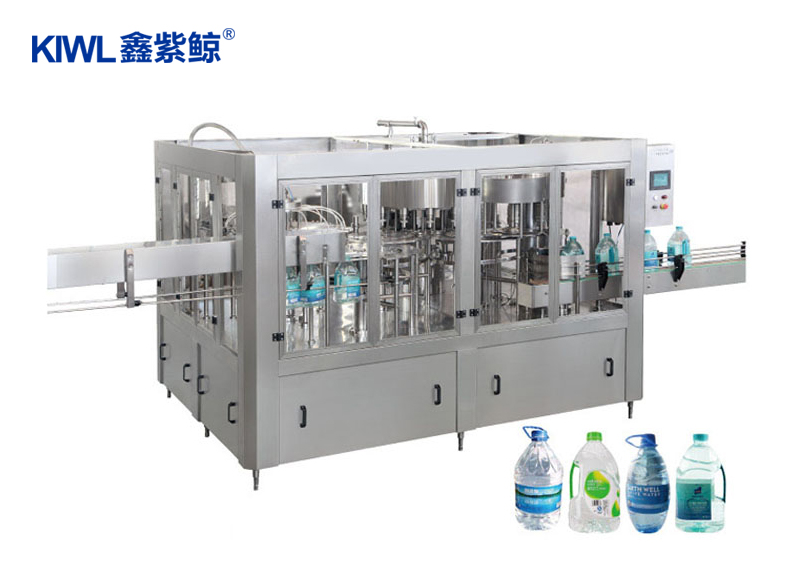
In recent years, the market for three-gallon filling machines has been witnessing a significant shift towards automation. Companies are increasingly adopting automated systems to streamline production processes and improve efficiency. These machines are equipped with advanced sensors and robotics, allowing them to handle tasks with precision and consistency. This trend is driven by the need for higher productivity and reduced operational costs in the beverage and liquid packaging industries.

Integration of IoT and Data Analytics
Another key development in the future of three-gallon filling machines is the integration of Internet of Things (IoT) technology and data analytics. IoT-enabled machines can collect real-time data on production metrics, machine performance, and product quality. This data is then analyzed to optimize operations, predict maintenance needs, and ensure consistent product quality. Manufacturers are increasingly focusing on leveraging data-driven insights to make informed decisions and stay competitive in the market.
Focus on Sustainability and Eco-Friendly Solutions
With growing environmental concerns, there is a notable trend towards sustainable practices in the design and operation of three-gallon filling machines. Manufacturers are exploring eco-friendly materials, reducing energy consumption, and minimizing waste generation. This shift is not only driven by regulatory requirements but also by consumer demand for environmentally responsible products. Companies that prioritize sustainability are likely to gain a competitive edge and enhance their brand reputation in the market.
Conclusion
In conclusion, the future of three-gallon filling machines is poised for innovation and advancement. Automation, IoT integration, and sustainability are shaping the next generation of these machines. As technology continues to evolve, manufacturers will continue to explore new ways to enhance efficiency, reduce costs, and meet the evolving demands of the industry. By embracing these trends, companies can position themselves for success in the competitive landscape of liquid packaging solutions.