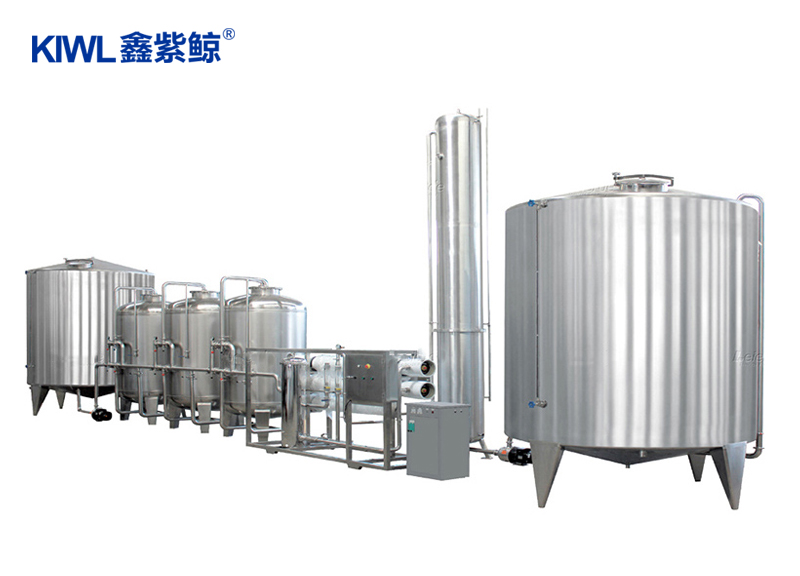
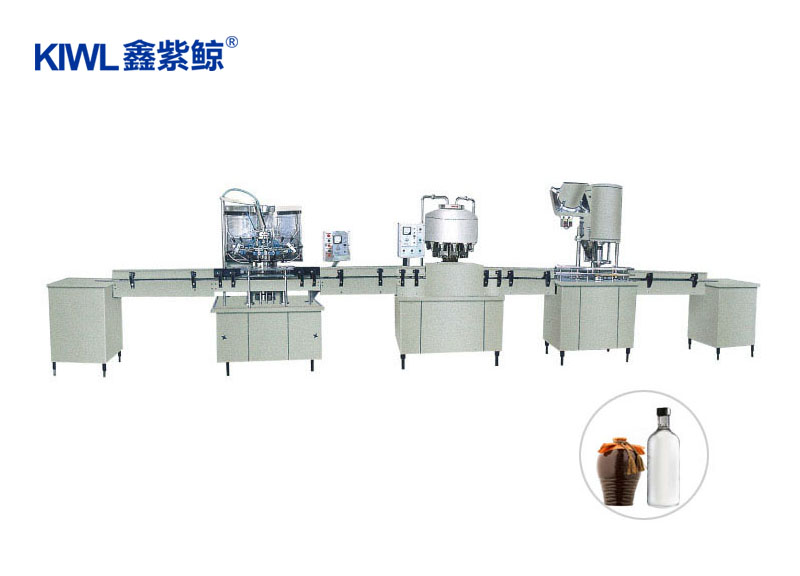
Introduction to Practical Water Production Equipment
-
category
-
model number
-
specs
instructions
In today's rapidly evolving industrial landscape, the demand for efficient and sustainable water production equipment is more pressing than ever. From urban centers to remote agricultural regions, the need for reliable systems that can purify, desalinate, or efficiently distribute water is crucial for both human consumption and industrial processes. This article explores some of the ultimate solutions in water production equipment, highlighting their functionality and benefits.
Filtration Systems: Purifying Water at Its Best
Filtration systems represent a cornerstone in modern water production equipment. These systems utilize advanced filtration technologies such as reverse osmosis, nanofiltration, and ultrafiltration to remove impurities from water sources effectively. Whether installed in large-scale municipal treatment plants or compact units for residential use, filtration systems ensure that water meets stringent quality standards. They play a vital role in providing safe drinking water and supporting various industrial applications by eliminating contaminants and harmful substances.

Desalination Units: Transforming Seawater into Potable Water
Desalination units offer an ultimate solution for regions facing freshwater shortages but are surrounded by vast seawater reserves. These units utilize either thermal distillation or membrane processes to remove salts and minerals from seawater, converting it into freshwater suitable for drinking and irrigation. Advances in desalination technology have improved energy efficiency and reduced costs, making these systems increasingly viable for coastal communities and arid regions worldwide. Their ability to produce large quantities of freshwater from otherwise unusable sources underscores their importance in sustainable water management strategies.
Water Distribution Systems: Ensuring Efficient Supply Networks
Efficient water distribution systems form the backbone of urban infrastructure, ensuring that clean water reaches homes, businesses, and industries reliably. These systems incorporate advanced monitoring and control technologies to optimize water flow, pressure, and quality throughout extensive networks. By minimizing leaks, reducing energy consumption, and responding swiftly to demand fluctuations, modern water distribution systems enhance resource efficiency and contribute to sustainable urban development. They integrate cutting-edge engineering solutions with environmental stewardship to deliver the ultimate performance in water supply management.
Conclusion
In conclusion, practical water production equipment plays a pivotal role in addressing global water challenges by providing solutions that are both efficient and sustainable. Filtration systems, desalination units, and water distribution networks represent the pinnacle of technological innovation in ensuring access to clean and reliable water supplies. As demand continues to grow amidst environmental changes and population growth, investing in these ultimate technologies will be essential for securing a water-secure future for generations to come.