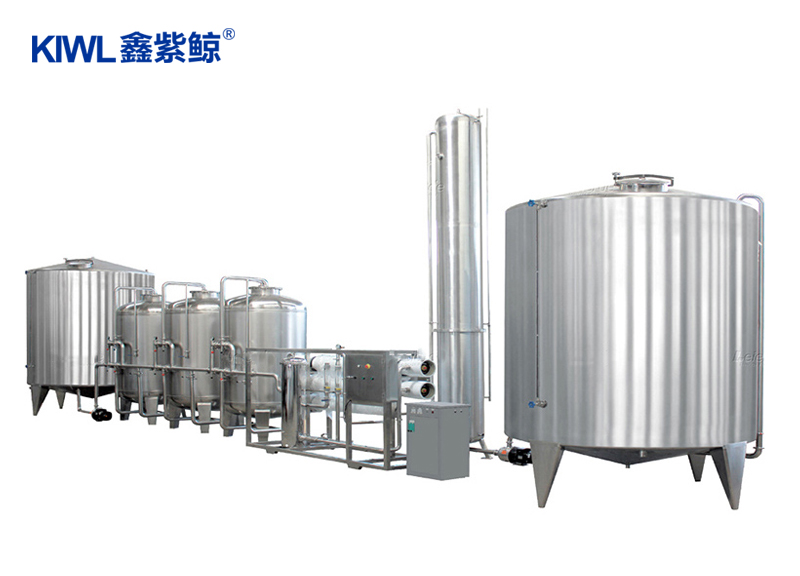
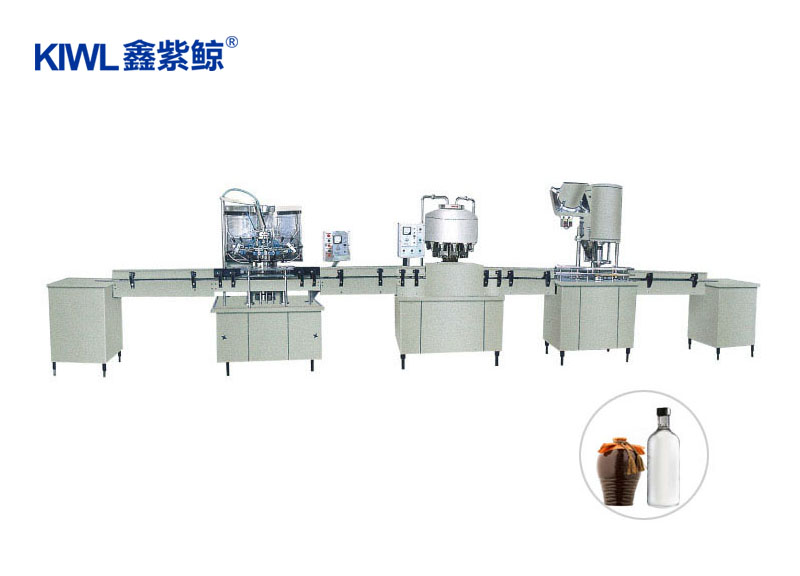
Achieving High-Quality Water Processing Production Line
-
category
-
model number
-
specs
instructions
In today's competitive market, achieving a high-quality water processing production line is crucial for companies aiming to meet stringent standards and consumer expectations. The integration of advanced technologies and efficient processes is paramount in ensuring not only compliance but also operational excellence and product superiority.
To begin with, the cornerstone of a successful water processing production line lies in the selection of cutting-edge equipment and technologies. Modern purification systems, such as reverse osmosis and UV sterilization, play pivotal roles in eliminating contaminants while preserving essential minerals. Moreover, automated monitoring and control systems enhance reliability and precision throughout the production cycle, reducing human error and ensuring consistent water quality.

Technological Integration and Efficiency
The second critical aspect revolves around technological integration and operational efficiency. Integration involves seamless coordination between various stages of water treatment, from initial filtration to final packaging. Each step must be optimized for efficiency without compromising on quality. For instance, advanced sensors and analytics enable real-time monitoring of water parameters, facilitating immediate adjustments and maintaining optimal process conditions. Automated cleaning systems further streamline operations, ensuring minimal downtime and maximizing productivity.
Quality Control and Assurance
Quality control and assurance represent the final pillar of a high-quality water processing production line. Rigorous testing protocols and adherence to regulatory standards are non-negotiable. Continuous sampling and analysis at multiple checkpoints guarantee that every batch of water meets specified purity levels and safety criteria. Documentation and traceability are also paramount, allowing for transparency and accountability throughout the supply chain.
Conclusion
In conclusion, the journey towards establishing a high-quality water processing production line demands meticulous planning, technological investment, and unwavering commitment to excellence. By integrating advanced equipment, optimizing operational efficiency, and prioritizing stringent quality control measures, companies can not only meet market demands but also exceed consumer expectations. Embracing innovation and sustainability ensures that the water produced not only meets regulatory requirements but also contributes to healthier communities and a cleaner environment. As industry standards evolve, continuous improvement remains the cornerstone of success in water processing technologies.