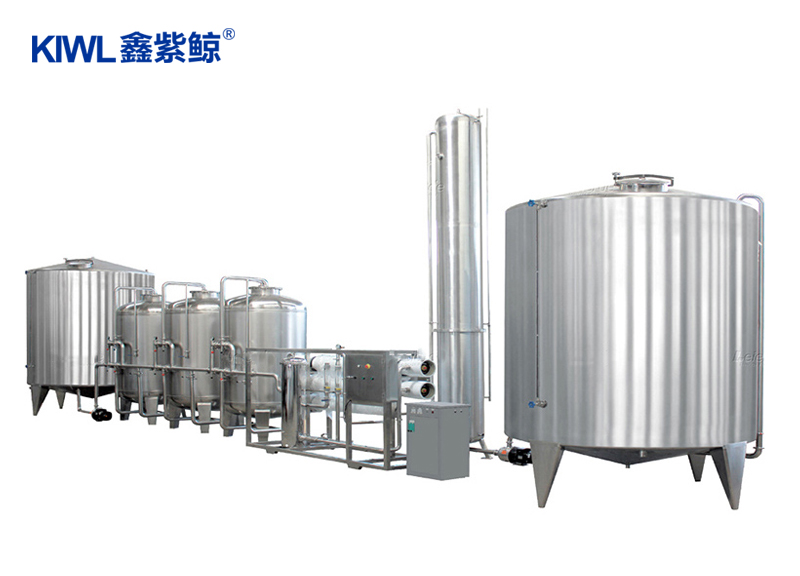
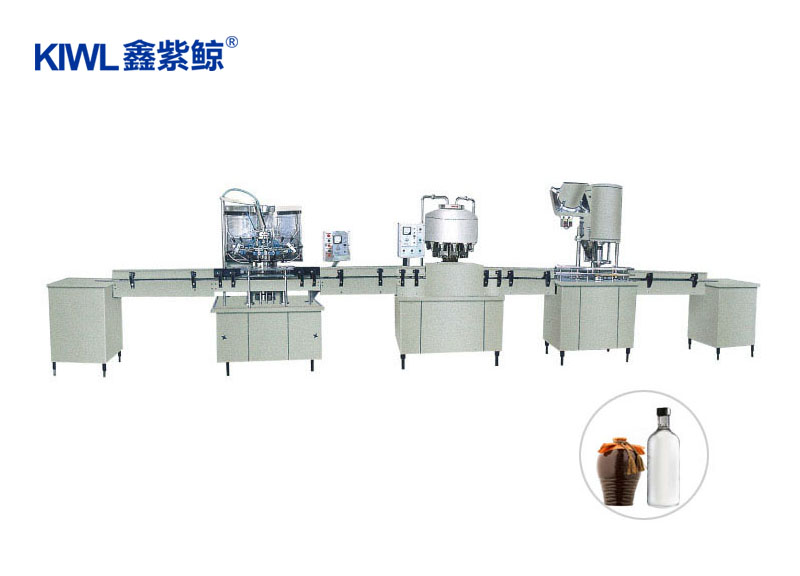
Automating Water Processing Production Lines
-
category
-
model number
-
specs
instructions
In today's industrial landscape, the drive towards automation has revolutionized manufacturing processes across various sectors, including water processing. Automating water processing production lines not only enhances efficiency but also ensures consistent quality and reduces operational costs. This article explores the key aspects and benefits of implementing automated systems in water processing facilities.
Enhanced Efficiency Through Automation
Automation in water processing involves the integration of advanced technologies such as sensors, actuators, and programmable logic controllers (PLCs). These components work seamlessly together to monitor and control the production process in real-time. By automating tasks like water filtration, disinfection, and bottling, manufacturers can achieve higher production rates with minimal human intervention. This not only speeds up the entire process but also reduces the likelihood of errors, thereby improving overall operational efficiency.

Ensuring Consistent Quality
Consistency in water quality is paramount in the water processing industry. Manual processes are prone to human error and variations, which can lead to inconsistent product quality. By automating critical stages such as chemical dosing and monitoring water purity levels, automated systems can maintain a consistent standard of water quality throughout production. This not only meets regulatory requirements but also enhances consumer trust in the brand's reliability and product excellence.
Cost Reduction and Resource Optimization
Implementing automation in water processing production lines can lead to significant cost savings over time. Automated systems optimize resource usage by precisely controlling water and energy consumption based on real-time demand and production requirements. Moreover, the reduction in manual labor and associated overhead costs can contribute to overall operational cost efficiency. By streamlining processes and minimizing wastage, manufacturers can achieve higher profitability while maintaining competitive pricing in the market.
In conclusion, automating water processing production lines offers substantial advantages in terms of efficiency, quality consistency, and cost-effectiveness. Embracing automation not only modernizes production facilities but also positions companies to meet the growing demands for reliable and high-quality water products. As technology continues to advance, the integration of automated systems will likely become standard practice, driving further innovation and sustainability in the water processing industry.